Solar Adoption Statistics 2026: How Many Homes Have Gone Solar?

Solar Adoption Statistics 2026: How Many Homes Have Gone Solar?

TL;DR: About 5.3 million U.S. homes had residential solar at the end of 2024. The 2026 projection is near 6.8 million homes. Residential solar should supply about 3.1% of U.S. electricity in 2026. California, Texas, and Florida lead new installations. U.S. residential solar has moved from a niche purchase to a mainstream home energy upgrade. By the end of 2024, roughly 5.3 million homes had panels. By 2026, that total should climb to about 6.8 million, based on EIA small-scale generation data and current installation trends. That is not just a California story. Texas, Florida, and other high-outage states are adding solar faster than many older markets. ...

August 23, 2026 · 7 min · Jarrod Gravison
Home Energy Storage Statistics 2026: Batteries and Grid Independence

Home Energy Storage Statistics 2026: Batteries and Grid Independence

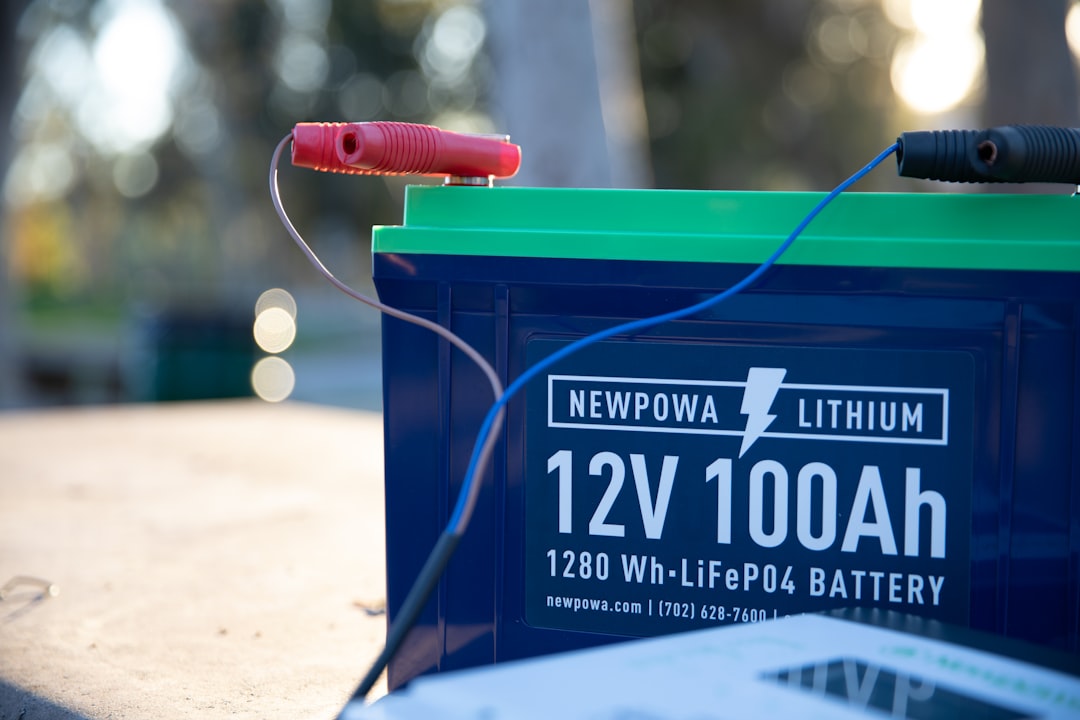
TL;DR: U.S. home battery installations keep climbing. In 2024, about 34% of solar shoppers included battery storage, average installed battery cost was around $1,167 per kWh, and a typical 11-13.5 kWh battery can cover critical loads for the 5.5 hours of average annual outage time. The federal 30% tax credit through 2032 makes storage more affordable. Home energy storage has moved from niche to mainstream. In 2024, EnergySage marketplace data showed that 34% of solar shoppers included battery storage in their quotes, up from roughly 20% two years prior. That shift is not just about convenience. It reflects rising grid outage risks and the end of generous net-metering policies in states like California. The best whole-home batteries guide shows how manufacturers now market multi-day backup as a core feature. ...

August 23, 2026 · 7 min · Jarrod Gravison
Heat Pump vs Traditional HVAC 2026: Reduce Your Electricity Draw

Heat Pump vs Traditional HVAC 2026: Reduce Your Electricity Draw

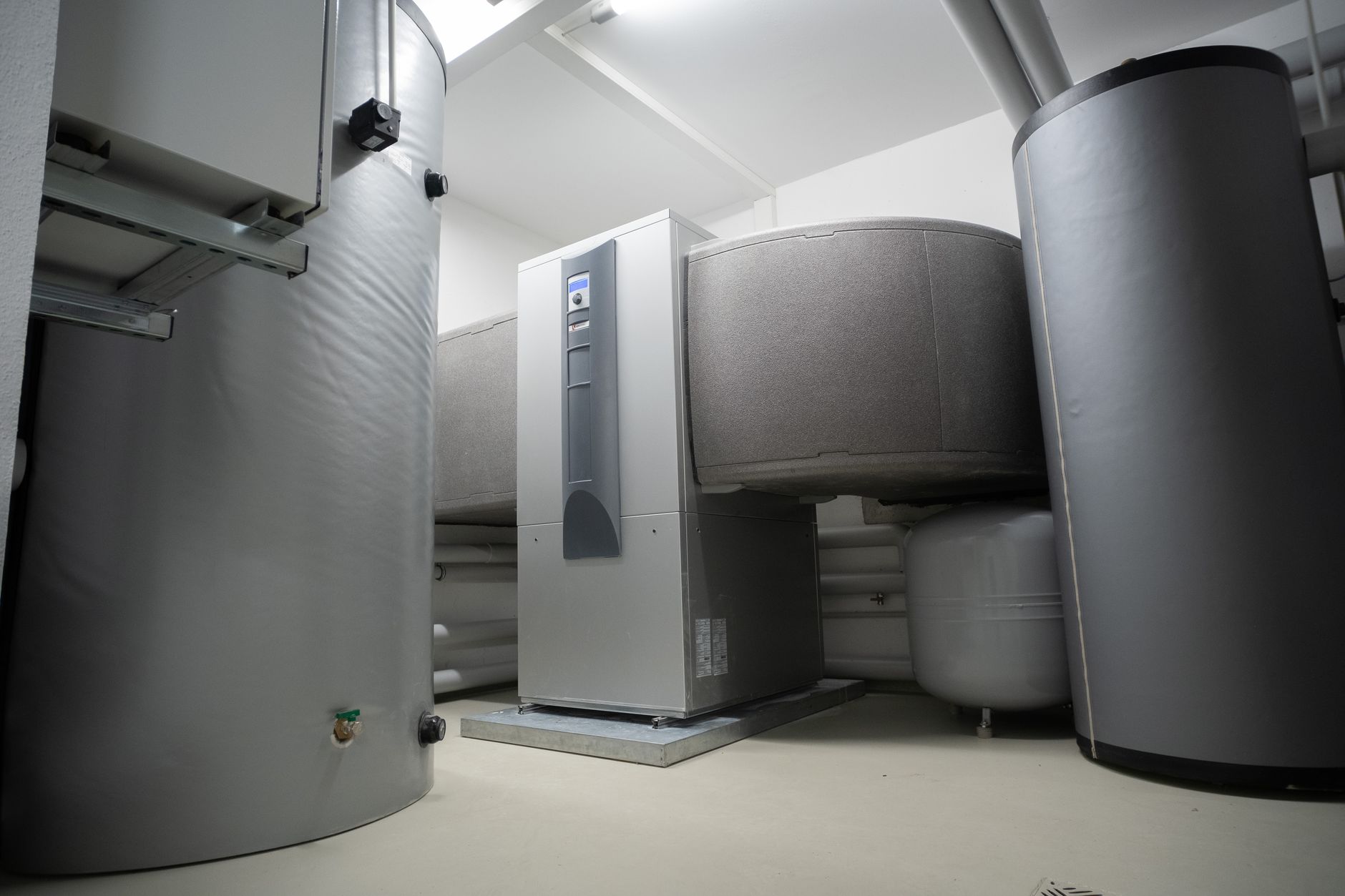
Quick Answer: In 2026, an air-source heat pump typically draws 2,200 to 3,800 W while heating a 2,000-square-foot home. A gas furnace plus central AC draws 2,500 to 4,000 W cooling and 300 to 1,200 W for the blower. Heat pumps cut electric resistance heating draw by 50 to 70 percent and pair better with solar and batteries. Most homes spend more energy on heating and cooling than on anything else. That load shapes your solar array, battery capacity, and backup plan. In 2026, a traditional electric furnace can pull 10,000 to 15,000 W during a cold snap. A central air conditioner can pull 2,500 to 4,000 W while running. If you are building energy independence, you have to attack that load first. A heat pump can drop heating draw by 50 to 70 percent compared with electric resistance. The fastest way to reduce your electric bill is to cut heating and cooling waste. This comparison will help you choose the right HVAC path before you size solar and batteries. ...

August 23, 2026 · 13 min · Jarrod Gravison
Where Your Electricity Goes: EV Charging and Home Energy Draw

Where Your Electricity Goes: EV Charging and Home Energy Draw

Quick Answer: Your home splits electricity across HVAC, water heating, appliances, lighting, and electronics. A typical EV adds about 3,000 to 4,000 kWh per year, based on NREL data. That can raise a 10,500 kWh annual household total by 30 to 40 percent. Efficiency, off-peak charging, solar, and battery storage help manage the added load. Homeowners often watch the monthly utility bill without seeing where the kilowatt-hours go. In a typical U.S. home, heating, cooling, water heating, appliances, lighting, and always-on electronics form the core load. The U.S. Energy Information Administration reports that the average home uses about 10,500 kWh per year. That number shifts with climate, square footage, insulation, and equipment age. When you add an electric vehicle, your home electricity consumption climbs. You stop buying gasoline at the pump, but your meter spins faster at the wall. ...

August 23, 2026 · 11 min · Jarrod Gravison
How to Prepare for Power Outages: A Homeowner Checklist

How to Prepare for Power Outages: A Homeowner Checklist

Quick Answer: Start by mapping critical loads and building a backup power plan. Get a portable generator, home battery, or solar plus storage sized for your needs. Install CO detectors, stock food and water, and test everything before the blackout. Do not run a generator indoors or connect it without a listed transfer device. Power outages are getting longer and more disruptive across the country. Federal data shows that many U.S. customers now lose power for several hours each year, and a single winter storm can push that into days. A written checklist helps you act fast instead of guessing in the dark. The right preparation covers water, food, medical devices, lighting, and a safe backup power source that matches your home. ...

August 23, 2026 · 15 min · Jarrod Gravison
What Is a Hybrid Inverter? Solar + Battery in One

What Is a Hybrid Inverter? Solar + Battery in One

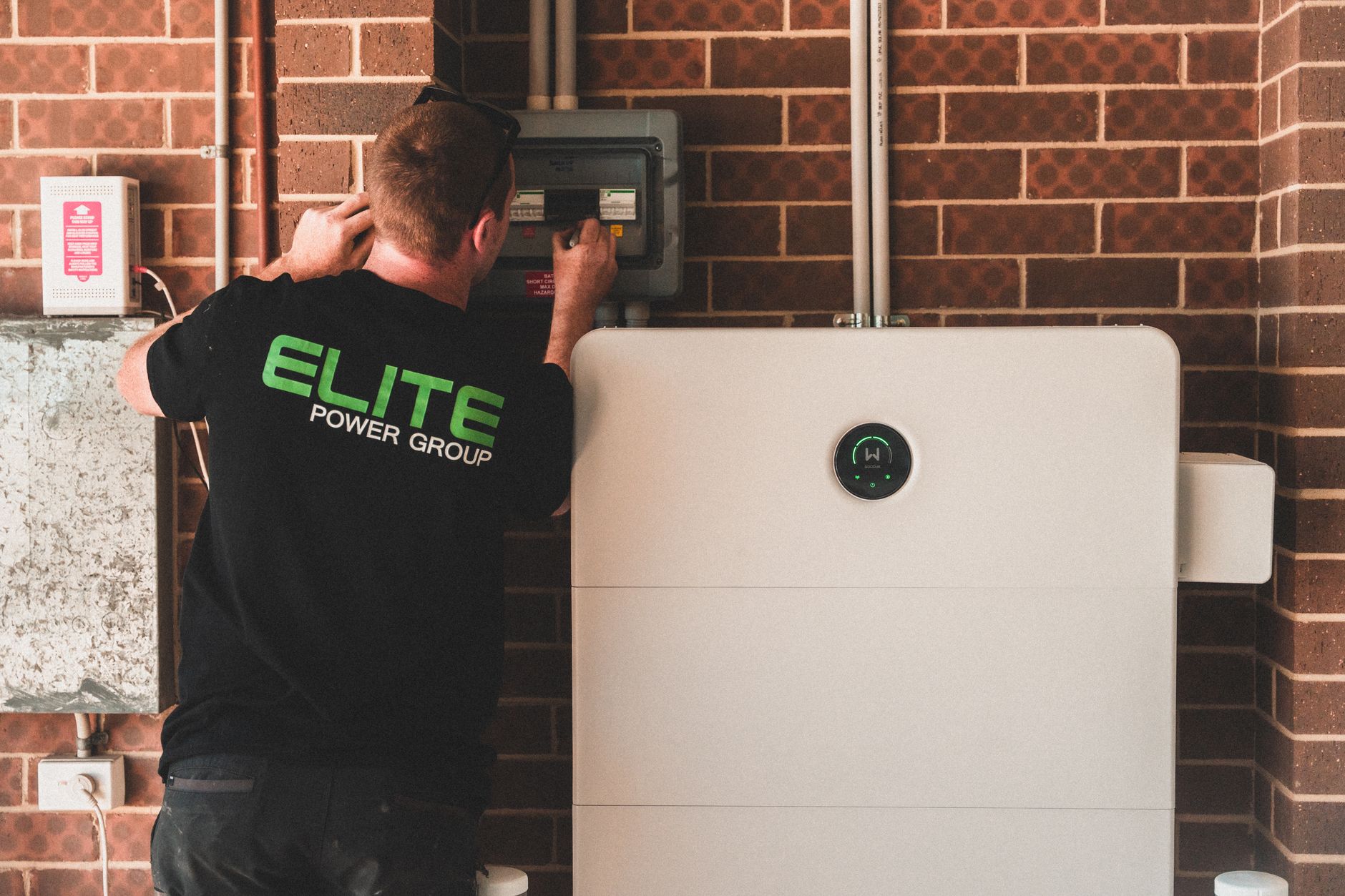
Quick Answer: A hybrid inverter is a single power conversion device that manages solar panel output, battery charging and discharging, and grid power. It converts direct current from solar and batteries into alternating current for your home. It enables backup power, load shifting, and higher self-consumption of solar energy. Most home solar systems rely on a string inverter or microinverters to convert solar DC power into AC power. A hybrid inverter goes further. It combines that solar conversion job with battery management and grid connection controls inside one cabinet. This matters for homeowners who want energy independence, backup power, or lower utility bills. Instead of installing a separate solar inverter, a battery inverter, and sometimes a charge controller, you install one coordinated device. That integration changes how your home uses solar energy, stores it, and rides through outages. ...

August 23, 2026 · 12 min · Jarrod Gravison
Best Solar Inverters 2026: String vs Microinverters vs Hybrid

Best Solar Inverters 2026: String vs Microinverters vs Hybrid

Quick Answer: String inverters cost less for simple roofs. Microinverters win for shade and module-level monitoring. Hybrid inverters are the top choice for battery backup and whole-home resilience. In 2026, most homeowners pairing solar with storage should choose a hybrid or battery-ready design, while microinverters remain excellent for phased or shaded arrays. The inverter is the hardest-working box in a solar system. It converts the direct current (DC) from your panels into the alternating current (AC) your home and the grid actually use. In 2026 the choice is no longer just string versus micro. Hybrid inverters have moved from niche battery add-ons to the default choice for homeowners who want whole-home backup. This guide compares the three main paths plus two variations so you can match hardware to your roof, budget, and outage risk. It has to quietly convert power at 96 percent or better, ride through voltage flickers, and shut down safely when the grid fails. Not all inverters do that the same way. If you are also shopping storage, read our best whole-home batteries 2026 guide first. ...

August 23, 2026 · 14 min · Jarrod Gravison
How to Calculate Whole-Home Battery Cost in 2026

How to Calculate Whole-Home Battery Cost in 2026

Quick Answer: In 2026, a whole-home battery system with one 13.5 kWh unit often costs $12,000 to $22,000 installed. Large homes may need two or more batteries, pushing costs past $30,000. The 30 percent federal tax credit and local incentives can reduce your net cost. Homeowners often see a single battery listed for $9,000 and assume that is the total cost. That number rarely covers installation, a critical loads panel, permits, and inverter work. In 2026, a whole-home battery install typically lands between $12,000 and $22,000 for one unit. Large or all-electric homes often need two or three batteries. Before you sign a quote, you need to understand the line items. Use our guide to the best whole-home batteries of 2026 to compare current models. ...

August 23, 2026 · 13 min · Jarrod Gravison
The Solar Tax Credit in 2026: What You Still Qualify For

The Solar Tax Credit in 2026: What You Still Qualify For

Quick Answer: In 2026, you can still claim a 30 percent federal tax credit on qualified solar panels, inverters, wiring, installation, and battery storage projects of 3 kWh or more. The credit is nonrefundable, but unused amounts roll forward to future tax years. You must own the system and meet IRS home and equipment rules. In 2026, the federal solar tax credit is not a small rebate. It is a 30 percent credit against your federal income tax bill. Many homeowners assume the incentive disappeared. That assumption can cost you thousands. The Residential Clean Energy Credit remains one of the largest home energy incentives available. It applies to solar panels, inverters, wiring, installation labor, and qualified battery storage. If you are planning backup power, the credit changes your budget. A $30,000 solar and battery project can produce a $9,000 tax credit. You claim it when you file your tax return. No income cap blocks you. This guide explains what you still qualify for in 2026. If you are comparing battery options, start with our whole-home battery cost guide. ...

August 23, 2026 · 9 min · Jarrod Gravison
Net Metering in 2026: How Selling Power Back to the Grid Works

Net Metering in 2026: How Selling Power Back to the Grid Works

Quick Answer: Net metering lets solar owners send excess electricity to the grid and receive a bill credit. In 2026 the credit value varies widely by state and utility. Some households still get retail-rate credits, while others earn lower net billing rates. The best savings come from matching solar production to your own usage or adding a battery. Net metering is the billing arrangement that lets a home solar system send surplus electricity to the utility grid and receive credit for that power. A bidirectional meter runs forward when you pull energy from the grid and backward when your panels export. At the end of the billing period, the utility charges you only for the net difference. Many homeowners use that credit to erase most of their monthly electricity cost. The mechanics sound simple, but the value of each exported kilowatt-hour now depends heavily on where you live. In 2026, state regulators and utilities have created a patchwork of rules that range from true retail-rate credits to much lower export payments. ...

August 23, 2026 · 13 min · Jarrod Gravison

How to Reduce Your Electric Bill in 2026: 20 Things That Actually Work

Quick Answer: Start with a home energy audit, then tackle the biggest loads first: HVAC, water heating, and laundry. Smart thermostats save 8-10% on heating and cooling. Solar plus battery storage can cut bills 70-100%, depending on net metering. Combine efficiency upgrades with time-of-use shifting for the fastest payback in 2026. Electricity prices keep climbing, and 2026 will be no different. The average U.S. residential rate has risen more than 20% over the past five years, according to EIA data. That means every kWh you waste is money out the door. The good news is that most homes can cut their electric bill by 10-30% without sacrificing comfort. The key is finding where your energy goes and then applying the right fixes in the right order. You don’t need a massive solar array on day one. Start with the cheap, high-impact changes first. This guide breaks down 20 things that actually work, from free behavioral tweaks to full home energy independence. ...

August 23, 2026 · 18 min · Jarrod Gravison
How to Go Off-Grid in 2026: The Step-by-Step Plan

How to Go Off-Grid in 2026: The Step-by-Step Plan

Quick Answer: Going off-grid in 2026 starts with a real load audit and deep efficiency cuts. Then size solar and batteries for two to four days of autonomy, add a hybrid inverter and a generator, and hire a licensed electrician for the transfer switch and permits. Budget $45,000 to $75,000 before the federal tax credit. Going off-grid is not a weekend panel project. It means your home must produce, store, and manage every watt you use. In 2026 the equipment is better than ever, but the process still starts with understanding your loads. A well-planned off-grid system will survive cloudy weeks, winter nights, and utility outages with fewer generator hours. This guide walks through the exact sequence from first audit to final inspection. The order matters because every later choice depends on the number of kilowatt-hours you actually need each day. ...

August 23, 2026 · 16 min · Jarrod Gravison
How to Size a Home Battery in 2026: Loads, Backup, and Payback

How to Size a Home Battery in 2026: Loads, Backup, and Payback

Quick Answer: Start with your critical loads, not square footage. Add up the wattage of must-run appliances, decide how many hours of backup you need, and apply a 1.2 buffer for depth of discharge, inverter efficiency, and temperature. A typical essentials-only panel needs 10 to 15 kWh, while a true whole-home system usually needs 20 to 40 kWh. Most homeowners start battery sizing with the wrong question. They ask what size battery they need for a 2,000-square-foot house. A better question is which loads must keep running, for how long, and what can wait for grid power. The answer changes everything. In 2026, a well-sized home battery is not a guess. It is a simple load calculation with a backup duration target and a payback check. This guide walks through the full process. If you are comparing models, start with our guide to the best whole-home batteries of 2026. ...

August 23, 2026 · 16 min · Jarrod Gravison
How to Budget Solar Cost in 2026: Real Numbers and Payback

How to Budget Solar Cost in 2026: Real Numbers and Payback

Quick Answer: In 2026, a grid-tied home solar system typically costs $2.50 to $3.50 per watt before incentives. A 7 kW system runs about $17,500 to $24,500 before the 30 percent federal tax credit. After the credit, most homeowners pay $12,250 to $17,150 and recover their cost in 7 to 12 years, faster with strong net metering or high electricity rates. Solar cost in 2026 is not one number. The price depends on your roof, equipment, utility rate, and how much electricity you use. Most homeowners should not ask what a solar system costs. They should ask what it costs per watt. A 7 kW system at $3.00 per watt costs $21,000 before incentives. That same 7 kW system at $2.60 per watt costs $18,200. The difference is not small, and it often comes down to quote quality and installer overhead. ...

August 23, 2026 · 11 min · Jarrod Gravison
Best Off-Grid Solar Kits 2026 for Energy Independence

Best Off-Grid Solar Kits 2026 for Energy Independence

Quick Answer: The best off-grid solar kit for most homes in 2026 is the EcoFlow Power Hub with 5kWh LFP storage. It runs 3,600W continuous, surges to 7,200W, and supports a hardwired subpanel. The Bluetti AC300 is the best expandable option. Avoid kits under 2,000W continuous if you need well pump or furnace backup. Off-grid solar has moved from fringe cabins to mainstream home backup. In 2026, a complete kit can power a freezer, a well pump, lights, and a few circuits without a fuel run. The shift accelerated as lithium iron phosphate (LFP) batteries dropped below $500 per kWh installed in many markets. Homeowners now compare kits by continuous inverter output, battery capacity, and solar input. Our testing approach mimics how an electrician sizes a standby panel: we start with running watts, add surge headroom, then match solar to daily watt-hours. This guide ranks complete systems from big cabin rigs to portable emergency arrays. Before buying, decide whether you need a fixed install or a relocatable unit with how to go off-grid guidance. ...

August 23, 2026 · 11 min · Jarrod Gravison
Solar Battery vs Generator 2026: Which Backup Power Is Best?

Solar Battery vs Generator 2026: Which Backup Power Is Best?

Quick Answer: For short outages and daily bill savings, a solar battery wins. For multi-day whole-home backup without solar, a standby generator is more practical. Many homes do best with a hybrid battery plus generator. Match the system to your outage length, critical loads, and budget before buying. Power outages are getting longer and more frequent. Storms, heat waves, and an aging grid now push many homeowners past the point where a flashlight and a cooler feel adequate. A 2026 backup power decision comes down to two paths: store electricity in a solar battery or burn fuel in a generator. Both can keep your lights on, but they solve very different problems. The right choice depends on how long your outages last, what appliances you need, and whether you have solar panels. Before you buy, start with a clear list of critical loads. Our how to prepare for power outages guide walks through that planning step by step. This article compares real-world performance, installed cost, and safety, not marketing language. ...

August 23, 2026 · 13 min · Jarrod Gravison
Best Whole-Home Backup Generators 2026: Standby vs Portable

Best Whole-Home Backup Generators 2026: Standby vs Portable

Quick Answer: A standby generator is the best whole-home backup. It starts automatically and powers 18,000 to 26,000 watts, including central AC. A portable generator costs less but only backs up essential circuits when paired with a manual transfer switch. Choose standby for automatic protection. Choose portable for budget and flexibility. Most homeowners do not think about backup power until the first multi-day outage hits. In 2026, that is a costly mistake. Severe weather, aging grid equipment, and higher summer demand are pushing outages longer in many states. The U.S. Department of Energy tracks grid reliability data, and NREL studies how homes and communities ride through outages. A whole-home backup generator keeps your refrigerator, furnace, well pump, medical devices, and Wi-Fi running. It can also stop frozen pipes in winter and spoiled food in summer. If you already have solar, a generator can fill the gaps that batteries cannot. Before you spend $5,000 to $18,000, know the difference between standby and portable units. See our solar battery vs generator guide for a different angle. ...

August 23, 2026 · 12 min · Jarrod Gravison
Best Solar Panels for Home 2026: Efficiency, Cost, Warranty Compared

Best Solar Panels for Home 2026: Efficiency, Cost, Warranty Compared

Quick Answer: The best overall home solar panel for 2026 is the REC Alpha Pure-RX 470W. It offers 22.6% efficiency, a 25-year product and power warranty, and 0.24% annual degradation. Maxeon 7 is the premium pick with a 40-year warranty. Qcells Q.TRON wins on value for most homeowners. Homeowners are treating solar panels less like a gadget and more like a roof upgrade that pays the power bill. The 2026 market splits into premium high-efficiency modules, midrange value options, and budget workhorses. The real difference is not just first-day watts. It is how well the panel holds that output after 25 years of heat, snow, hail, and UV exposure. If you are pairing panels with home energy storage, the panel choice determines how much energy you actually have to store and use at night. It also affects the size of the battery bank and the inverter you need. ...

August 23, 2026 · 10 min · Jarrod Gravison
Best Whole-Home Batteries 2026: Powerwall vs Franklin vs Enphase vs EG4

Best Whole-Home Batteries 2026: Powerwall vs Franklin vs Enphase vs EG4

Quick Answer: For most homes in 2026, the Tesla Powerwall 3 is the best all-around whole-home battery. It offers 13.5 kWh usable capacity and 11.5 kW continuous output. FranklinWH aPower 2 handles larger motor loads. Enphase 5P fits existing Enphase solar. EG4 PowerPro costs less per kWh but requires more installation planning. Whole-home batteries are no longer a niche upgrade. Extreme weather, time-of-use rates, and grid instability have pushed more homeowners to add storage in 2026. This guide compares four big names: Tesla Powerwall, FranklinWH, Enphase, and EG4. Each brand uses different chemistry, inverter arrangements, and installer channels. The right choice depends on your panel size, solar setup, and whether you want true whole-home backup or just essential circuits. Check our whole-home battery cost guide before you compare quotes. A single battery can run lighting, refrigeration, and a gas furnace, but whole-home backup demands more planning. You also need to decide between AC and DC coupled storage. ...

August 23, 2026 · 10 min · Jarrod Gravison