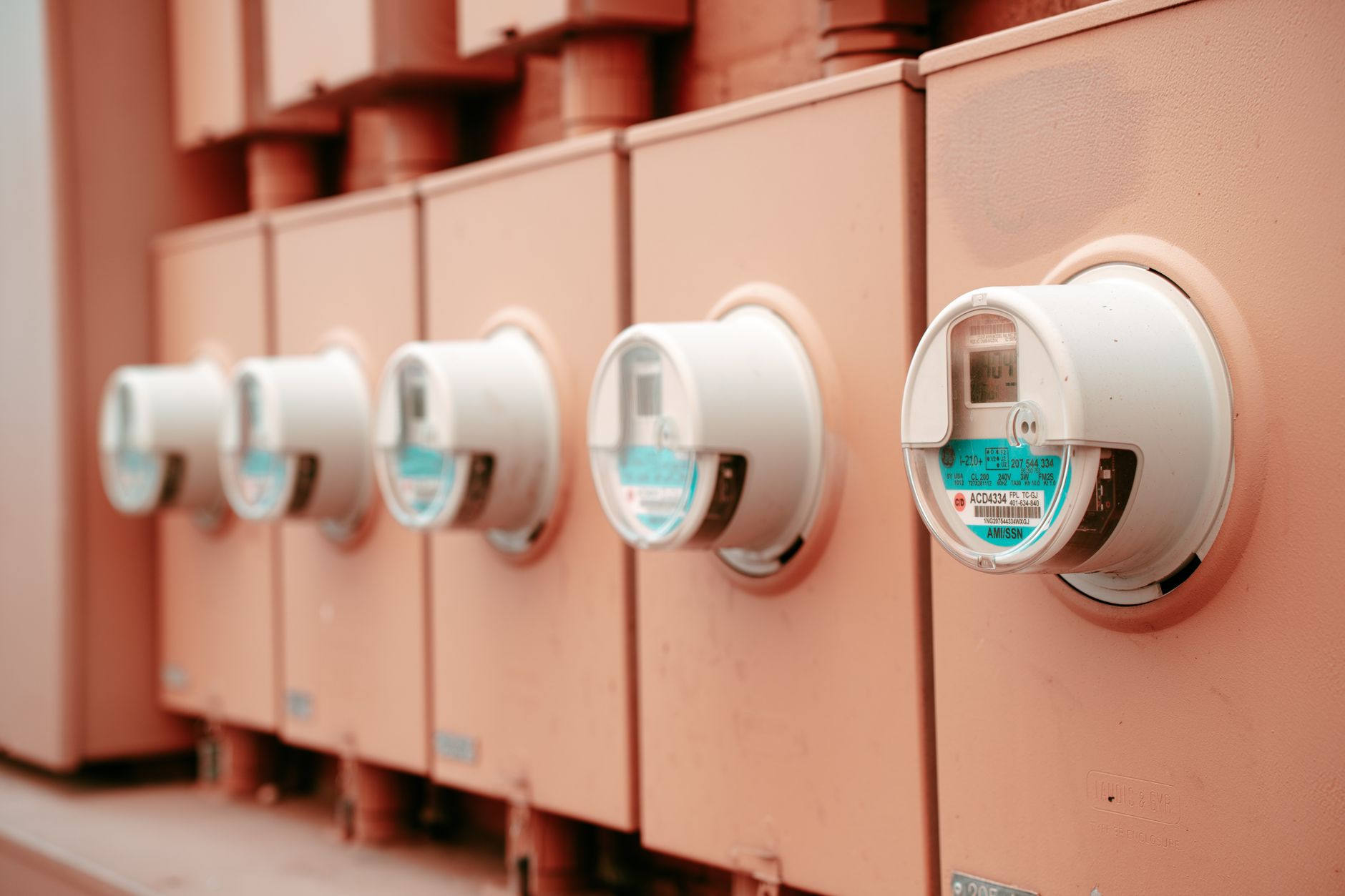
Net metering is the billing arrangement that lets a home solar system send surplus electricity to the utility grid and receive credit for that power. A bidirectional meter runs forward when you pull energy from the grid and backward when your panels export. At the end of the billing period, the utility charges you only for the net difference. Many homeowners use that credit to erase most of their monthly electricity cost. The mechanics sound simple, but the value of each exported kilowatt-hour now depends heavily on where you live. In 2026, state regulators and utilities have created a patchwork of rules that range from true retail-rate credits to much lower export payments.
Understanding those rules matters because electricity prices keep climbing. The U.S. Energy Information Administration reports that the average residential electricity price has risen to about 17.4 cents per kilowatt-hour, up from roughly 13 cents in 2020. That price pressure makes solar and storage more attractive. Still, a low export rate can change the math quickly. If you buy power at 17 cents and sell at 7 cents, your bill savings depend more on using power while your panels are producing. This guide explains how to position your solar investment as net metering evolves. It also connects to solar cost and tax credit details that affect payback. See how much does solar cost in 2026 and the solar tax credit guide before committing.
In 2026, selling power back to the grid is no longer a guaranteed one-for-one deal. Some utilities still offer classic net metering with full retail credit. Others use net billing, time-varying export rates, or monthly credit caps. Solar owners can still save tens of thousands of dollars over a system’s life, but the strategy changes. You may need to shift loads, add a battery, or rightsize the array instead of maxing it out. The following sections cover how the billing works, how policy terms differ, how storage changes the equation, and what to check before you sign. You will also find practical links to reduce your electric bill and size a home battery.
| Policy Type | How Export Credit Works | Typical Utility Bill Impact | Best Fit |
|---|---|---|---|
| Net metering | Excess kWh credited at retail import rate | Can cut energy charges to near zero | Homeowners in states with 1 to 1 credit |
| Net billing | Excess kWh paid at avoided cost or wholesale rate | Savings depend heavily on self consumption | Homes with batteries or large daytime loads |
| Buy all sell all | All usage billed at retail and all production purchased separately | Simpler but often lower total savings | Utility programs and some rural cooperatives |
How Does Net Metering Actually Work in 2026?

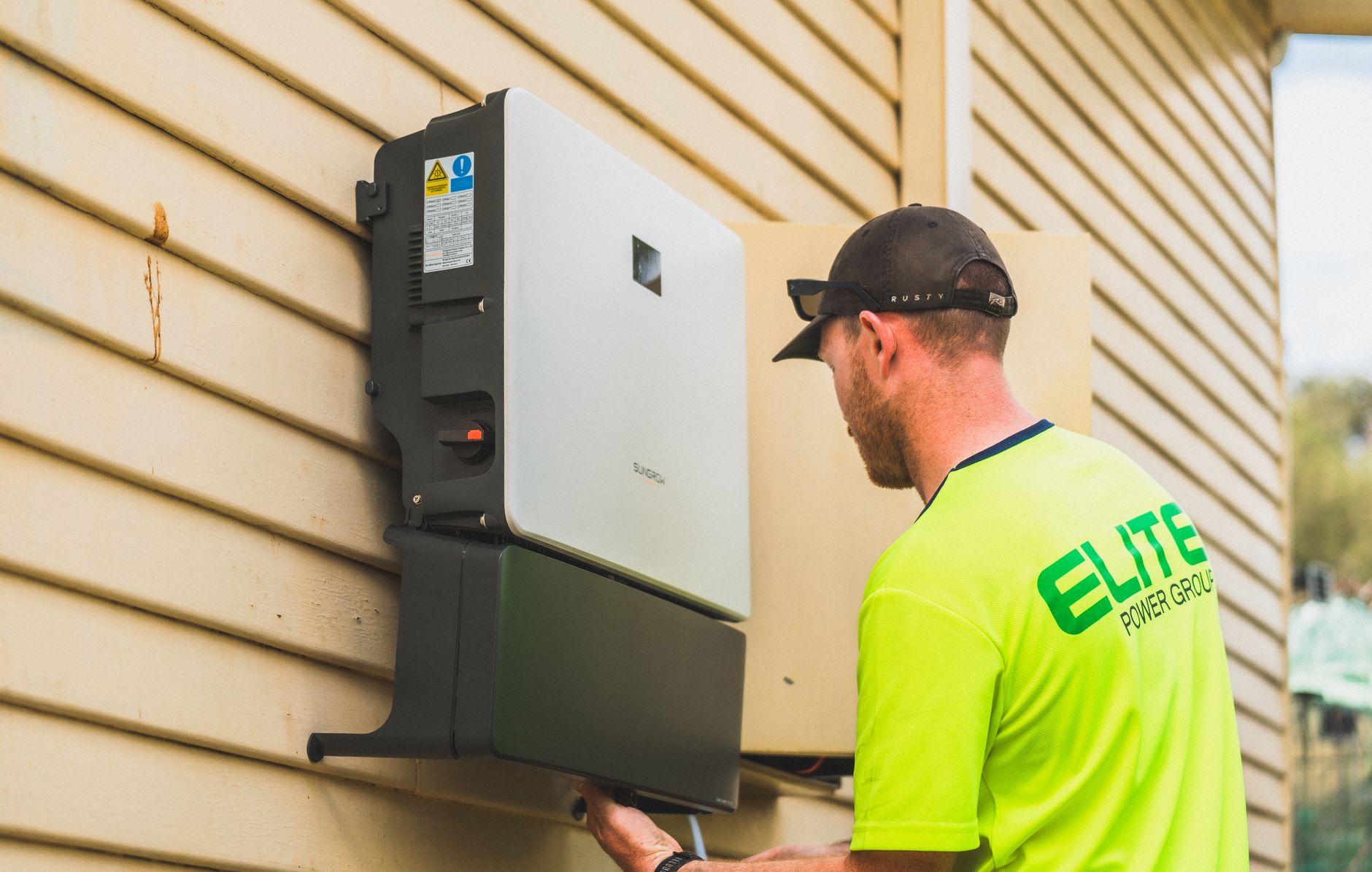
At the hardware level, net metering starts with a bidirectional meter installed by your utility or a licensed contractor. Your solar array produces direct current, or DC, power. An inverter turns that DC power into alternating current, or AC, power for your home. When the system generates more than your appliances need, the surplus flows through the meter and onto the utility grid. The meter records that exported energy separately from the energy you import at night or on cloudy days. Your utility bill then compares the two numbers. If you exported 400 kilowatt-hours and imported 300, you pay for the net of 100 kilowatt-hours or carry a credit forward depending on state rules. This is why the arrangement is called net metering: you pay for net energy use, not gross use.
Many 2026 tariffs add time-of-use rates to that simple model. Instead of one retail price all day, a utility may charge 28 cents per kilowatt-hour from 4 p.m. to 9 p.m. and 14 cents at midday. Under true net metering with time-of-use, you receive a credit at the same time-of-use rate that applies when you export. That means midday solar exports may earn a lower credit than evening imports cost you. Some utilities also apply nonbypassable charges, which are small fees you still pay even when your net energy use is zero. Those fees cover public programs, wildfire mitigation, or grid maintenance. The result is that most homeowners still pay a monthly connection charge, often $10 to $25, even with a large solar array.
- A bidirectional meter tracks imports and exports on separate registers.
- Excess daytime production becomes a kilowatt-hour credit, not usually a cash payment.
- Time-of-use rates can reduce the value of midday solar exports.
- Fixed monthly fees and nonbypassable charges still appear on most bills.
What Are Net Metering and Net Billing, and Why Does the Difference Matter?
Net metering means your exported kilowatt-hour is worth the same retail rate you would pay to buy it. If you pay 17.4 cents per kilowatt-hour, you get a 17.4 cent credit. That is simple and financially powerful. Net billing is different. It pays you a lower rate for your exports, often based on the utility’s avoided cost or its wholesale energy cost. In many states that export rate is now 7 to 9 cents per kilowatt-hour. Under net billing, the utility values your excess power as if it were buying from a power plant, not as if you were a small utility serving your own home. The gap between the retail import rate and the export rate determines your solar savings.
California’s move to NEM 3.0 is the most visible example. The state shifted most new solar customers away from retail-rate net metering and toward net billing with time-varying export credits. That reduced the value of midday solar exports and pushed many homeowners toward batteries. Other states have kept retail-rate net metering for now, while some utilities offer partial credit or cap system size. The difference between net metering and net billing can change a system’s payback by several years. If your state is considering a similar change, it is wise to understand which rules would apply to you and for how long. The U.S. Department of Energy and state utility commissions provide useful background on distributed solar policy and interconnection rules.
How Do Batteries Change the Net Metering Equation in 2026?
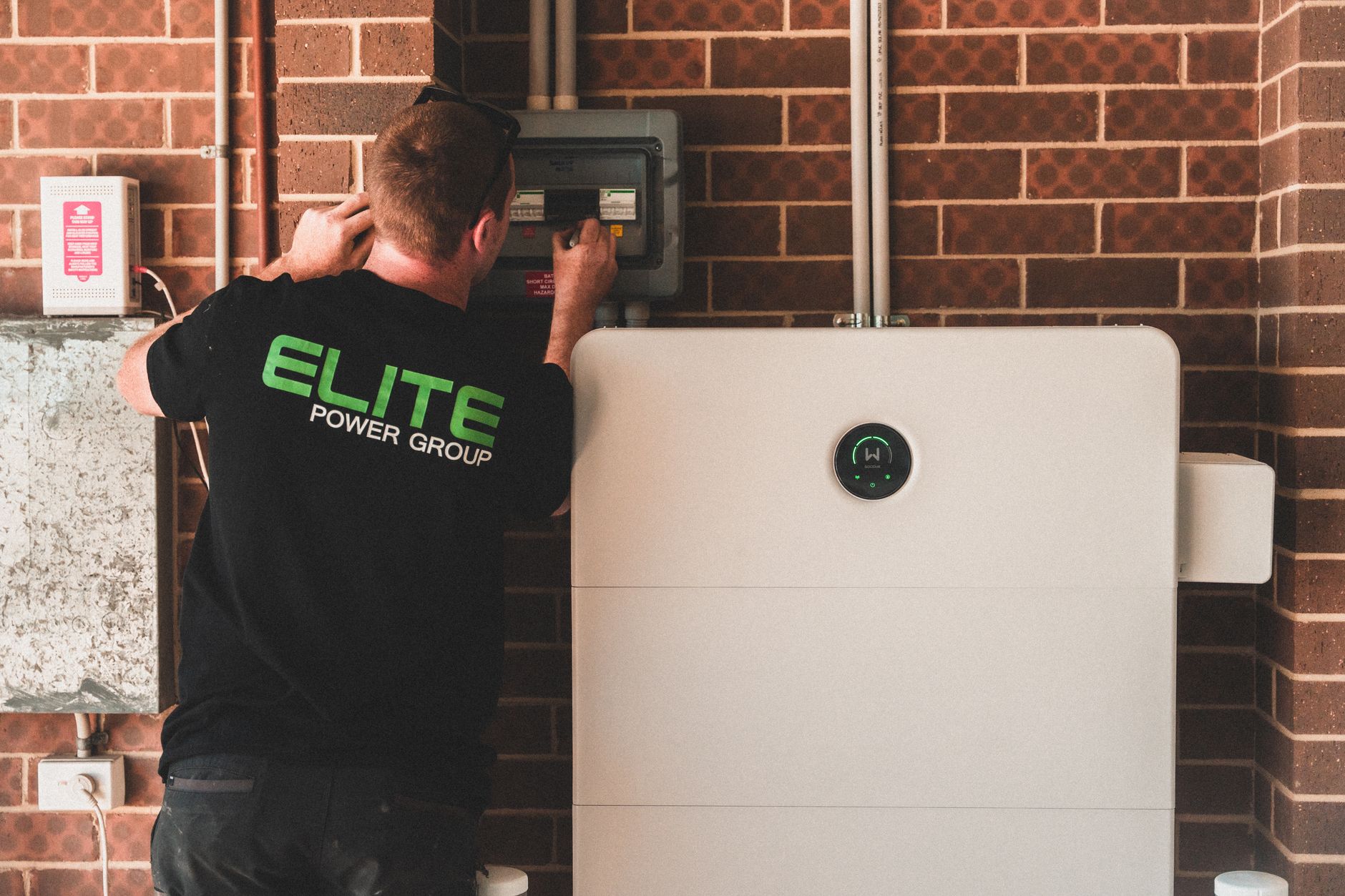
Batteries change the math when export credits are low. Instead of sending surplus solar to the grid for 7 cents, you can store it and use it during the evening when the retail rate is 17 cents or more. That spread between the low export rate and the high retail import rate is exactly what makes storage pay. A National Renewable Energy Laboratory analysis shows that a home battery can lift solar self-consumption from roughly 30 percent to more than 70 percent. In other words, the household uses most of its solar energy on site instead of giving it away at a discount. This matters most in net billing states and on time-of-use rates.
With classic retail-rate net metering, a battery may still have value but the economic case is weaker because the grid acts like your free battery. You export at noon and pull back at night without losing credit value. When that one-for-one deal disappears, a battery becomes a financial tool. It also adds resilience during outages, which net metering cannot do. If you are comparing costs, see how to size a home battery and solar battery vs generator. The right storage amount depends on your evening loads, outage needs, and utility rate structure. Avoid oversizing storage just to chase a small bill reduction.
A practical rule for 2026 is to follow the rate. If your export rate is above 80 percent of the retail rate, a battery may be optional for pure savings. If export credits are below half of the retail rate, a battery often becomes a better investment than a larger solar array. Some utilities now offer special battery time-of-use rates that pay you to discharge during grid stress. That can create an additional revenue stream, but the programs vary by state and utility. Check the whole-home battery cost guide before assuming storage will pay for itself.
Which States Have the Best Net Metering Rules in 2026?
There is no single federal net metering law that sets export credit values across the country. State public utility commissions and municipal utilities write the rules. As a result, your savings depend heavily on your address. Several states in the Northeast and some in the Mid-Atlantic still offer relatively strong retail-rate net metering, although program caps and system size limits apply. Other states, including California and parts of the Southwest, have moved toward net billing or lower time-varying export rates. The EnergySage state comparison tool can help you see current solar buyback rates and policy changes in your area.
Even within one state, utility-specific rules can differ. An investor-owned utility may offer net billing while a nearby municipal utility still provides full retail credit. Community solar programs and rural cooperatives often have separate buy all, sell all arrangements. That is why one neighbor’s bill savings may not predict yours. In 2026, state utility commission dockets remain the best place to watch for proposed changes. Home solar owners should also monitor annual true-up rules, because some states credit unused solar bank balances at lower rates at year end. The direction of policy has been toward more granular export rates, not less.
- Northeastern states: several still keep retail-rate net metering with annual caps.
- California and parts of the Southwest: net billing with lower midday export values.
- Municipal and cooperative utilities: rules can be more generous or more restrictive.
- Always confirm your specific utility tariff, not just state headlines.
What Should You Check Before You Sell Power Back to the Grid?
Before you sign a solar contract, request the actual net metering or net billing tariff. Do not rely on a salesperson’s summary. Read the export credit rate, the annual true-up date, monthly fees, and any nonbypassable charges. Ask whether the export rate is fixed for a certain number of years or can change with a utility rate case. Some programs offer grandfathering for 20 years. Others protect your rate for only one year before moving you to new rules. Knowing that lock-in period is important for calculating long-term savings. The solar tax credit guide explains how the federal credit changes your net system cost.
You should also check whether the utility requires a new meter, additional liability insurance, or a separate interconnection fee. Many utilities charge $100 to $300 for a bidirectional meter, although some waive it. Confirm that your system size fits the utility’s net metering cap. An oversized system that exports far more than you consume can trigger a lower export rate or lose credits at true-up. If you plan to add a battery later, ask how storage and export controls will be metered. Some utilities require an export limiter or specific inverter settings. Work with a licensed electrician and a local installer who knows the utility’s interconnection process. This is not a DIY project, and an improper connection can create safety risks for line workers.
Finally, run a simple bill simulation. Estimate your monthly usage, the share you will use directly from solar, and the rate for excess exports. Compare that with your current bill. A home with strong net metering might offset 80 to 90 percent of electricity charges. A home on low net billing might only offset 40 to 60 percent unless you add storage or shift loads. The how to reduce electric bill guide has demand-shifting ideas that pair well with net metering. Taking these steps before signing will protect you from an unpleasant surprise on your first true-up.
- Request the current export tariff and annual true-up rules.
- Confirm the rate lock or grandfathering period.
- Ask about meter fees, interconnection costs, and system size limits.
- Model bill savings with your actual usage, not just system production.
Is Net Metering Still Worth It for New Solar Owners in 2026?
For most homeowners, solar is still worth it, but net metering changes how you design the system. In a strong net metering state, an array sized to cover 100 percent of annual usage still makes sense. In a low export state, you may be better off sizing the system to around 80 percent of your daytime load and adding a battery for evening use. A 7 kilowatt solar system at an installed cost of $2.85 per watt costs about $19,950 before incentives. After the 30 percent federal tax credit, that drops to roughly $13,965. If annual bill savings are $1,800 to $2,400, the payback period is about 6 to 8 years. Those numbers improve if utility rates continue rising.
That payback math assumes you can use most of your solar electricity on site or receive decent export credits. If your utility offers only 7 cents for exports, a larger array may produce diminishing returns. A battery can capture that midday surplus and shift it into evening hours, improving system economics. But storage adds cost, so you must weigh it carefully. The how to size a home battery article walks through sizing based on your evening and outage needs. You can also compare whole-home battery cost with expected bill savings.
The 2026 outlook is clear. Net metering is not disappearing everywhere, but it is becoming more complex and less generous in some regions. That does not mean you should avoid solar. It means you should treat your home as a flexible energy system, not just a rooftop generator. Use smart thermostats, heat pumps, EV charging, and battery storage to align consumption with solar production. Homeowners who do that will still capture strong savings and gain backup power. Homeowners who simply count on selling power back at a high rate may be disappointed. Plan around your actual utility tariff and your own consumption patterns.
Frequently Asked Questions
Does net metering pay you cash for extra solar power?
Most states do not send you a check each month. Instead, you receive a utility bill credit that can roll over to future months. At the end of an annual true-up, some utilities may pay out or reset unused credits depending on state rules.
What is the difference between net metering and net billing?
Net metering credits your exports at the same retail rate you pay for imports. Net billing pays you a lower export rate, often close to the utility’s avoided cost. Net billing usually reduces the value of every kilowatt-hour you send back.
Do I need a battery if my state has strong net metering?
Not necessarily. Strong retail-rate net metering can make a battery less urgent financially. However, a battery still adds backup power and helps you avoid high evening rates. Check your net metering tariff and outage history.
Will net metering rules change after I sign up?
In many states, existing customers are grandfathered or have locked rates for a set period. New rules often apply to new customers. Always read your interconnection agreement to understand how long your rate lasts.
Can I install net metering myself?
No. A grid-tied solar system and bidirectional meter require permits, inspections, and work by a licensed electrician. Incorrect wiring can create serious fire and line worker safety risks.
How much can I save with net metering in 2026?
Savings depend on your system size, electricity rate, and export credit. Households with strong net metering can often cut annual utility bills by 50 to 90 percent, while those on low export rates may save less.
What Should You Remember?
- Net metering credits excess solar exports against your bill, but rates differ by utility.
- Retail-rate net metering makes solar payback faster; net billing lowers export value.
- Batteries help you use more solar at home when export credits are weak.
- State rules decide your rate, annual true-up, and grandfathering protections.
- Size your system to match daytime loads if your utility offers low export rates.
- Read the tariff before signing. Ask about fees, time-of-use, and contract length.
- A licensed electrician should handle all grid-tied wiring and meter work.
This article is for general information only. Home energy systems involve high-voltage electrical work, building codes, permits, and in some cases utility interconnection approvals , always consult a licensed electrician and your local authority before making purchase or installation decisions. Product specs, pricing, and incentives (including tax credits and net metering) change frequently; verify current details with the manufacturer and your utility.