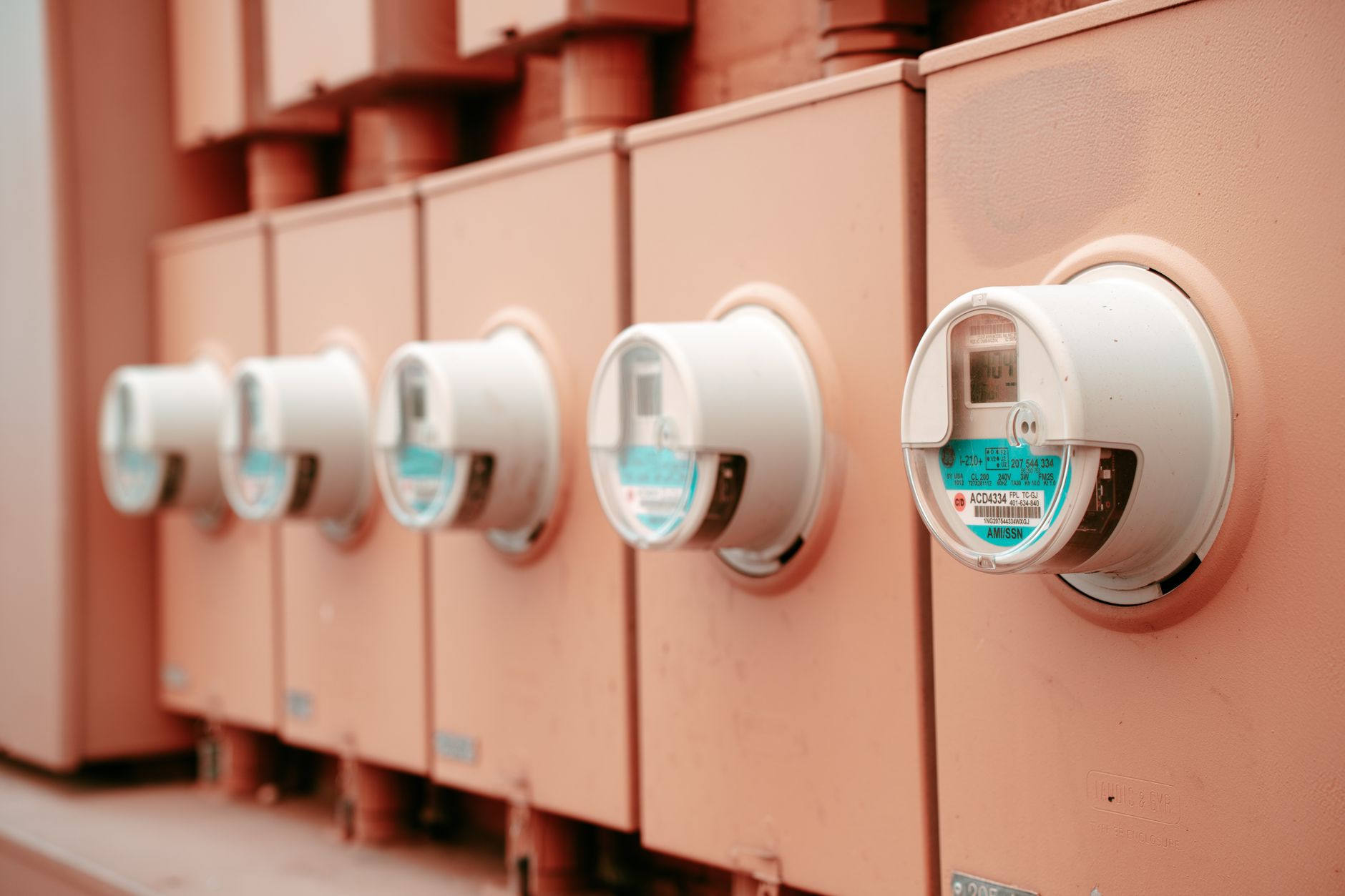
Solar Adoption Statistics 2026: How Many Homes Have Gone Solar?

Solar Adoption Statistics 2026: How Many Homes Have Gone Solar?

TL;DR: About 5.3 million U.S. homes had residential solar at the end of 2024. The 2026 projection is near 6.8 million homes. Residential solar should supply about 3.1% of U.S. electricity in 2026. California, Texas, and Florida lead new installations. U.S. residential solar has moved from a niche purchase to a mainstream home energy upgrade. By the end of 2024, roughly 5.3 million homes had panels. By 2026, that total should climb to about 6.8 million, based on EIA small-scale generation data and current installation trends. That is not just a California story. Texas, Florida, and other high-outage states are adding solar faster than many older markets. ...
August 23, 2026 · 7 min · Jarrod Gravison
What Is a Hybrid Inverter? Solar + Battery in One

What Is a Hybrid Inverter? Solar + Battery in One

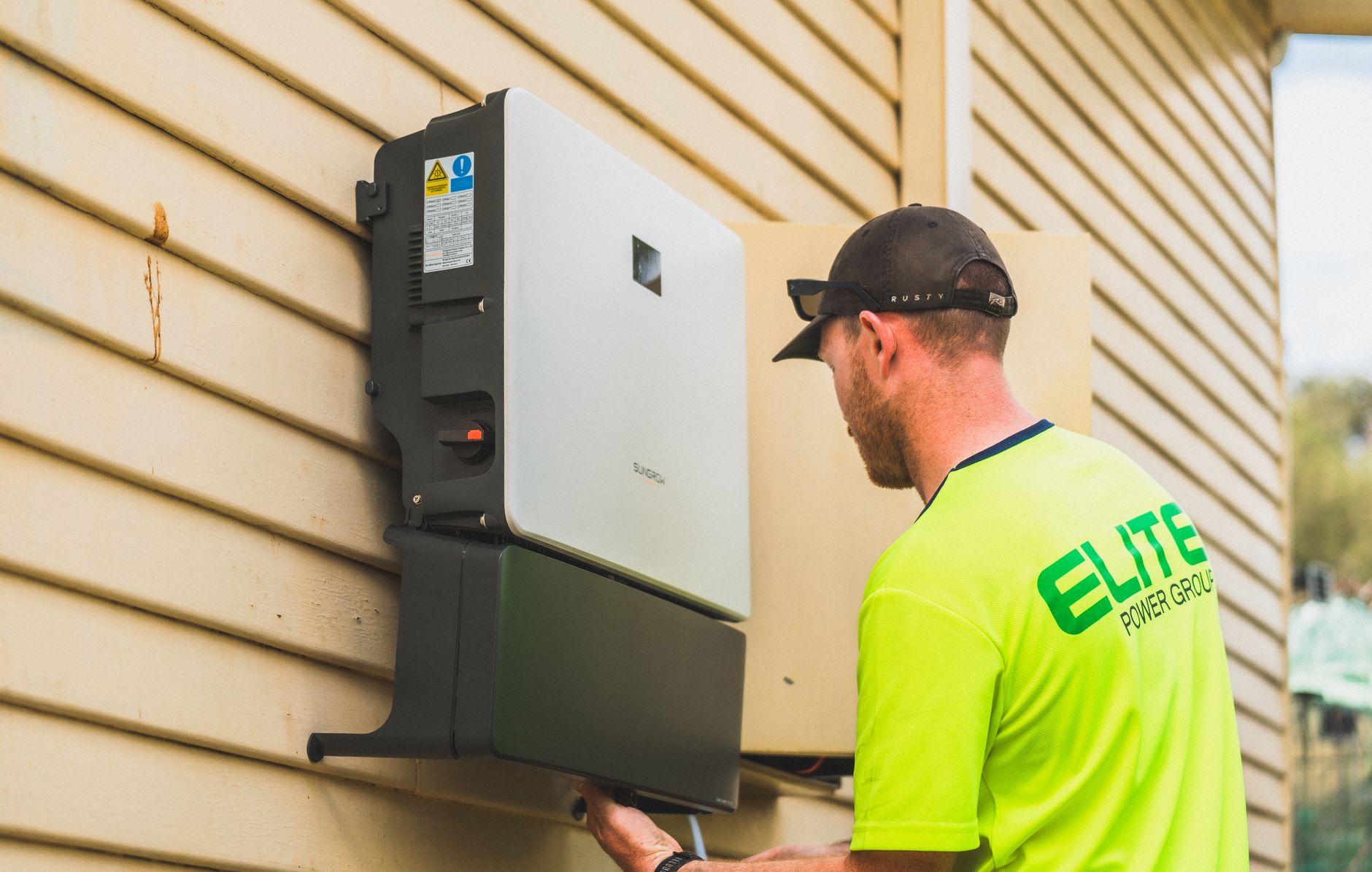
Quick Answer: A hybrid inverter is a single power conversion device that manages solar panel output, battery charging and discharging, and grid power. It converts direct current from solar and batteries into alternating current for your home. It enables backup power, load shifting, and higher self-consumption of solar energy. Most home solar systems rely on a string inverter or microinverters to convert solar DC power into AC power. A hybrid inverter goes further. It combines that solar conversion job with battery management and grid connection controls inside one cabinet. This matters for homeowners who want energy independence, backup power, or lower utility bills. Instead of installing a separate solar inverter, a battery inverter, and sometimes a charge controller, you install one coordinated device. That integration changes how your home uses solar energy, stores it, and rides through outages. ...

August 23, 2026 · 12 min · Jarrod Gravison
Best Solar Inverters 2026: String vs Microinverters vs Hybrid

Best Solar Inverters 2026: String vs Microinverters vs Hybrid

Quick Answer: String inverters cost less for simple roofs. Microinverters win for shade and module-level monitoring. Hybrid inverters are the top choice for battery backup and whole-home resilience. In 2026, most homeowners pairing solar with storage should choose a hybrid or battery-ready design, while microinverters remain excellent for phased or shaded arrays. The inverter is the hardest-working box in a solar system. It converts the direct current (DC) from your panels into the alternating current (AC) your home and the grid actually use. In 2026 the choice is no longer just string versus micro. Hybrid inverters have moved from niche battery add-ons to the default choice for homeowners who want whole-home backup. This guide compares the three main paths plus two variations so you can match hardware to your roof, budget, and outage risk. It has to quietly convert power at 96 percent or better, ride through voltage flickers, and shut down safely when the grid fails. Not all inverters do that the same way. If you are also shopping storage, read our best whole-home batteries 2026 guide first. ...

August 23, 2026 · 14 min · Jarrod Gravison
The Solar Tax Credit in 2026: What You Still Qualify For

The Solar Tax Credit in 2026: What You Still Qualify For

Quick Answer: In 2026, you can still claim a 30 percent federal tax credit on qualified solar panels, inverters, wiring, installation, and battery storage projects of 3 kWh or more. The credit is nonrefundable, but unused amounts roll forward to future tax years. You must own the system and meet IRS home and equipment rules. In 2026, the federal solar tax credit is not a small rebate. It is a 30 percent credit against your federal income tax bill. Many homeowners assume the incentive disappeared. That assumption can cost you thousands. The Residential Clean Energy Credit remains one of the largest home energy incentives available. It applies to solar panels, inverters, wiring, installation labor, and qualified battery storage. If you are planning backup power, the credit changes your budget. A $30,000 solar and battery project can produce a $9,000 tax credit. You claim it when you file your tax return. No income cap blocks you. This guide explains what you still qualify for in 2026. If you are comparing battery options, start with our whole-home battery cost guide. ...

August 23, 2026 · 9 min · Jarrod Gravison
Net Metering in 2026: How Selling Power Back to the Grid Works

Net Metering in 2026: How Selling Power Back to the Grid Works

Quick Answer: Net metering lets solar owners send excess electricity to the grid and receive a bill credit. In 2026 the credit value varies widely by state and utility. Some households still get retail-rate credits, while others earn lower net billing rates. The best savings come from matching solar production to your own usage or adding a battery. Net metering is the billing arrangement that lets a home solar system send surplus electricity to the utility grid and receive credit for that power. A bidirectional meter runs forward when you pull energy from the grid and backward when your panels export. At the end of the billing period, the utility charges you only for the net difference. Many homeowners use that credit to erase most of their monthly electricity cost. The mechanics sound simple, but the value of each exported kilowatt-hour now depends heavily on where you live. In 2026, state regulators and utilities have created a patchwork of rules that range from true retail-rate credits to much lower export payments. ...

August 23, 2026 · 13 min · Jarrod Gravison
How to Budget Solar Cost in 2026: Real Numbers and Payback

How to Budget Solar Cost in 2026: Real Numbers and Payback

Quick Answer: In 2026, a grid-tied home solar system typically costs $2.50 to $3.50 per watt before incentives. A 7 kW system runs about $17,500 to $24,500 before the 30 percent federal tax credit. After the credit, most homeowners pay $12,250 to $17,150 and recover their cost in 7 to 12 years, faster with strong net metering or high electricity rates. Solar cost in 2026 is not one number. The price depends on your roof, equipment, utility rate, and how much electricity you use. Most homeowners should not ask what a solar system costs. They should ask what it costs per watt. A 7 kW system at $3.00 per watt costs $21,000 before incentives. That same 7 kW system at $2.60 per watt costs $18,200. The difference is not small, and it often comes down to quote quality and installer overhead. ...

August 23, 2026 · 11 min · Jarrod Gravison
Best Solar Panels for Home 2026: Efficiency, Cost, Warranty Compared

Best Solar Panels for Home 2026: Efficiency, Cost, Warranty Compared

Quick Answer: The best overall home solar panel for 2026 is the REC Alpha Pure-RX 470W. It offers 22.6% efficiency, a 25-year product and power warranty, and 0.24% annual degradation. Maxeon 7 is the premium pick with a 40-year warranty. Qcells Q.TRON wins on value for most homeowners. Homeowners are treating solar panels less like a gadget and more like a roof upgrade that pays the power bill. The 2026 market splits into premium high-efficiency modules, midrange value options, and budget workhorses. The real difference is not just first-day watts. It is how well the panel holds that output after 25 years of heat, snow, hail, and UV exposure. If you are pairing panels with home energy storage, the panel choice determines how much energy you actually have to store and use at night. It also affects the size of the battery bank and the inverter you need. ...

August 23, 2026 · 10 min · Jarrod Gravison