Most homes spend more energy on heating and cooling than on anything else. That load shapes your solar array, battery capacity, and backup plan. In 2026, a traditional electric furnace can pull 10,000 to 15,000 W during a cold snap. A central air conditioner can pull 2,500 to 4,000 W while running. If you are building energy independence, you have to attack that load first. A heat pump can drop heating draw by 50 to 70 percent compared with electric resistance. The fastest way to reduce your electric bill is to cut heating and cooling waste. This comparison will help you choose the right HVAC path before you size solar and batteries.
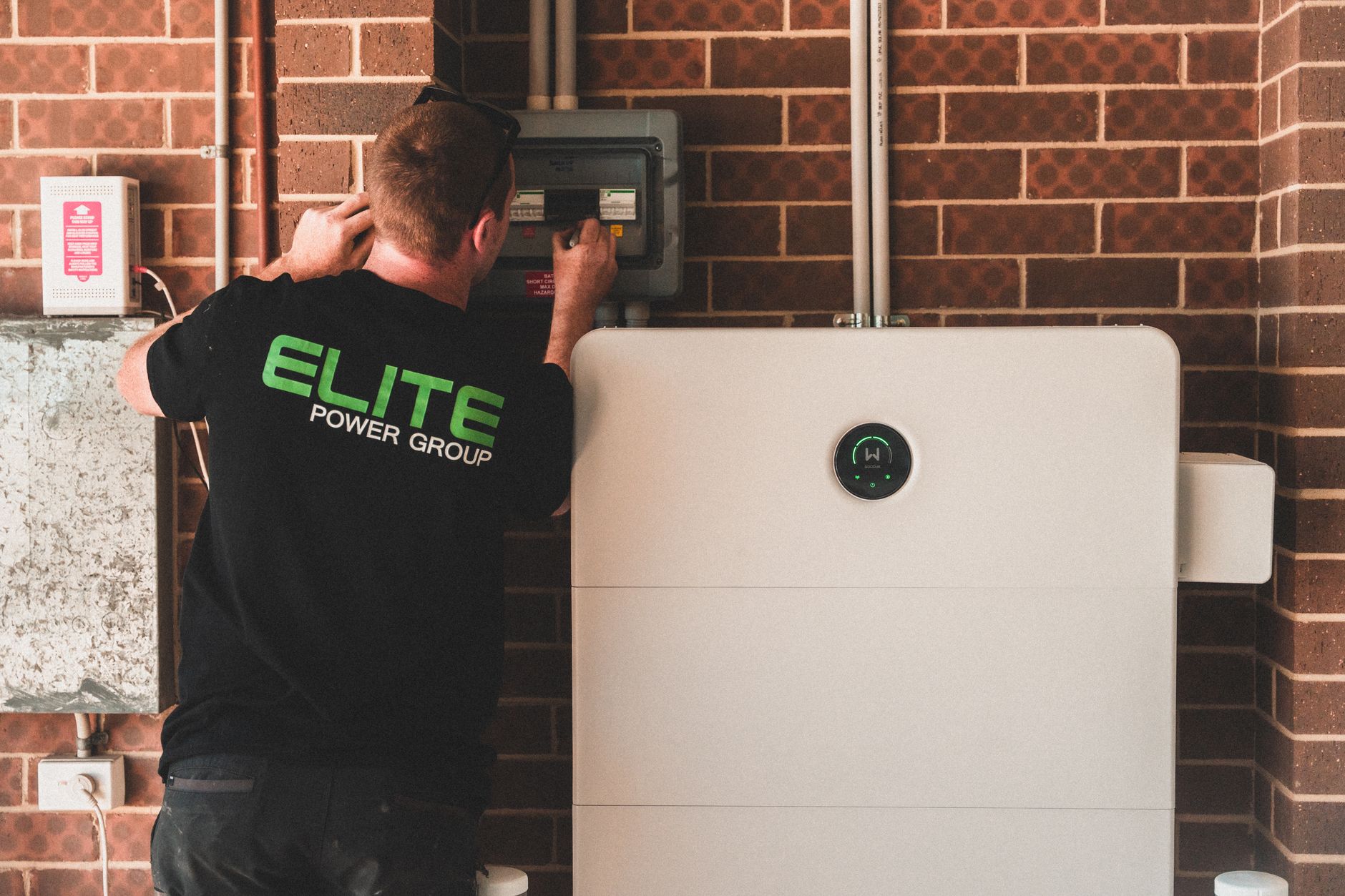
I compared ducted and ductless heat pumps against gas and electric traditional HVAC. I used typical installed prices, manufacturer spec sheets, and public efficiency data. The focus is electrical draw, not just seasonal efficiency. A heat pump with a COP of 3.0 at 47°F needs about one-third the electricity of an electric furnace. That changes the size of the battery you need. Before you buy an HVAC system, work through how to size a home battery. A 13.5 kWh battery can run a 2,200 W heat pump for several hours, but it cannot run a 15 kW electric furnace for long.
Cold-climate heat pumps changed in 2026. Many units now hold full rated capacity down to 5°F. Some run at -13°F. That makes them realistic for more of the country. Pairing a heat pump with solar makes the math cleaner because the largest load becomes an efficient electric load. You can start with high-efficiency solar panels and a properly sized inverter. The panels need to cover your new heat pump load. In many cases, adding heat pumps increases annual electricity consumption while reducing total site energy and removing gas. That is a trade-off you must plan for.
A heat pump install is electrical work. A licensed electrician must verify panel capacity, conductor sizing, disconnect placement, and local code before a unit goes in. Do not let a handyman add a 40 A circuit. The ENERGY STAR program verifies that certified heat pumps meet strict HSPF2 and SEER2 ratings. Your local building department verifies safe installation. For whole-home backup, the transfer switch or battery must be able to isolate the HVAC circuit. A soft starter may be required on a traditional AC compressor. Without it, the locked rotor surge can overwhelm a battery inverter.
How Do the Top Options Compare?
| Option | Best For | Upfront Cost (USD) | Heating Efficiency | Cooling Efficiency | Typical Electrical Draw |
|---|---|---|---|---|---|
| Air-Source Heat Pump | Cold-to-moderate climates, solar pairing | Check price | HSPF2 8.5-12.5 | SEER2 15-22 | 2,200-3,800 W heating; 2,000-3,500 W cooling |
| Ductless Mini-Split | Zoned rooms, no ducts | Check price | HSPF2 10-14 | SEER2 18-33 | 500-1,500 W per indoor head |
| Gas Furnace + Central AC | Cold climates, cheap gas, backup heat | Check price | AFUE 80-98% | SEER2 14-24 | 300-1,200 W fan; 2,500-4,000 W cooling |
| Electric Furnace + Central AC | Mild climates, low upfront cost | Check price | COP 1.0 | SEER2 14-18 | 8,000-15,000 W heating; 2,500-4,000 W cooling |
| Ground-Source Heat Pump | New construction, long-term efficiency | Check price | COP 3.5-5.0 | EER 18-30 | 1,800-3,000 W heating/cooling |
Installed prices are before federal, state, or utility rebates. Electrical draw depends on home size, insulation, and outdoor temperature. Have a licensed electrician and HVAC contractor verify panel capacity, wire size, and local code before installation.
1. Air-Source Heat Pump (Ducted) , Best for whole-home electric heating and cooling
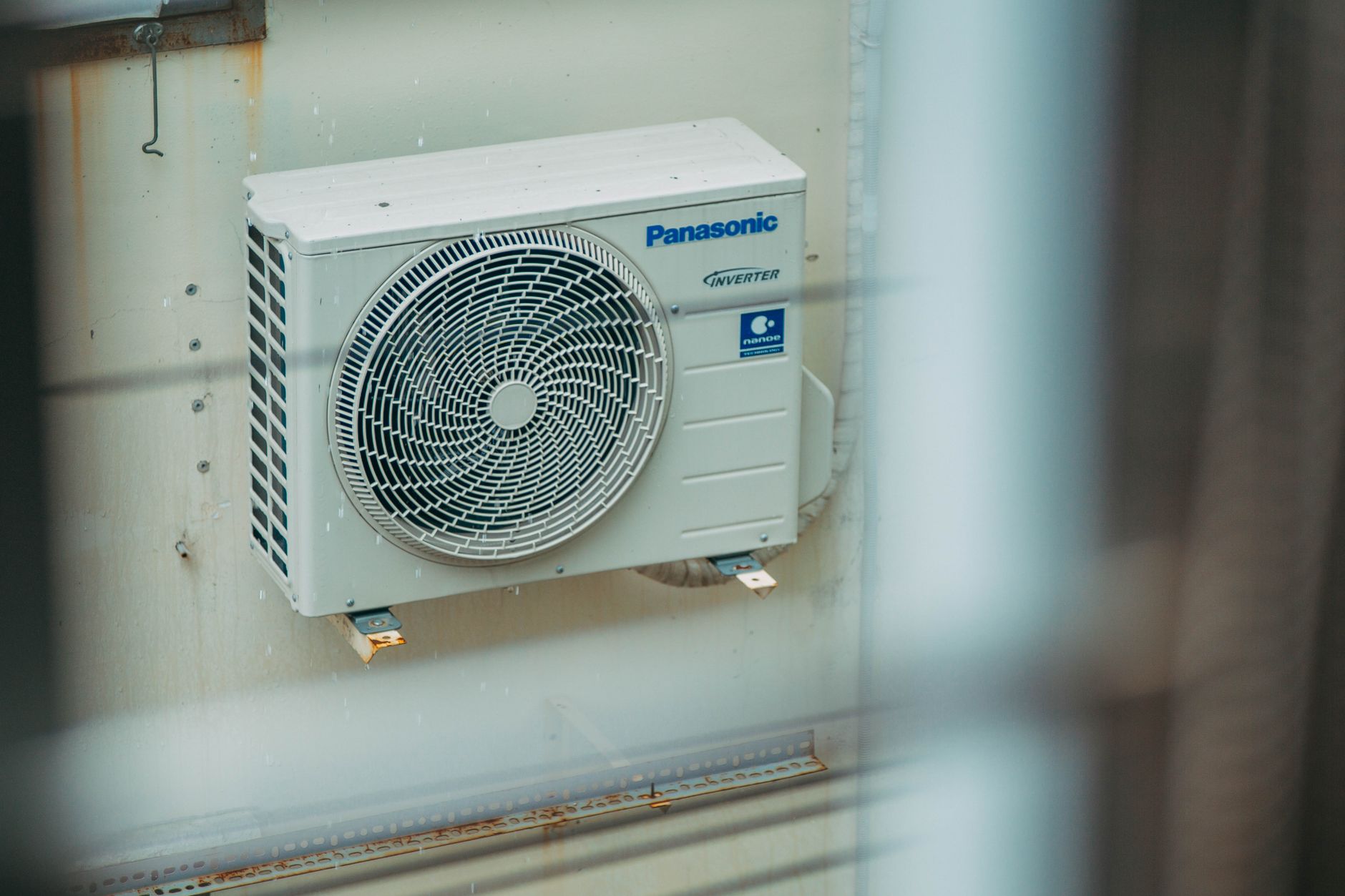
An air-source heat pump looks like a central air conditioner outside, but it runs in both directions. In heating mode, it pulls heat from outdoor air and pumps it inside. A 3-ton unit in 2026 typically draws 2,200 to 3,800 W while heating a well-insulated 2,000-square-foot home. At mild temperatures, the same unit delivers a coefficient of performance, or COP, between 2.5 and 4.0. That means 2.5 to 4.0 units of heat move inside for every 1 unit of electricity consumed. Outdoor noise runs 55 to 70 dBA, similar to a traditional AC condenser.
The electric draw is the main reason this option fits solar and battery systems. A 10 kW solar array can offset a heat pump more easily than a 15 kW electric furnace. During an outage, a properly sized whole-home battery can run the heat pump for part of the day, especially if you avoid backup resistance strips. The inverter-driven compressor also starts softly, unlike a traditional AC. You avoid the 10,000 to 14,000 W locked rotor surge that comes with a fixed-speed central air conditioner.
The downside is cold weather. At 5°F, many units still heat, but output drops. Backup strips may cycle on and add 5 to 10 kW. That is hard on batteries. A cold-climate model with an HSPF2 rating above 10 can reduce the need for backup strips. Ductwork must also be in decent shape. Leaky ducts waste the heat pump’s efficiency.
Key strengths:
- ✅ Delivers 2.5 to 4.0 units of heat per unit of electricity
- ✅ Draws 2,200 to 3,800 W, far below electric resistance heat
- ✅ Replaces both a furnace and an air conditioner
- ✅ Soft inverter start avoids large compressor surge
- ❌ Backup resistance strips can add 5 to 10 kW during very cold weather
- ❌ Requires adequate ductwork
- ❌ Upfront cost runs higher than a basic gas furnace and central AC
Who it’s for: Homeowners with existing ducts who want one electric HVAC system and lower panel draw.
2. Ductless Mini-Split Heat Pump , Best for zoned comfort without ductwork

A ductless mini-split uses one outdoor unit and one or more wall-mounted indoor heads. Each indoor unit runs independently, so you heat or cool only the rooms you use. A 12,000 BTU head draws roughly 500 to 1,500 W depending on outdoor temperature and set point. That is low enough to run on a modest solar and battery setup. Indoor noise can drop to 19 dBA on low, which is quieter than a refrigerator. The MrCool DIY mini split is one common 12k BTU example for homeowners.
This is a strong choice for a garage, addition, or small off-grid cabin. The inverter compressor ramps slowly instead of slamming on. That reduces locked rotor amp spikes that can trip a battery inverter. For a cabin or workshop, many people pair a mini-split with an off-grid solar kit. The main downside is aesthetics. Indoor heads hang on the wall. Some people dislike the look. In very cold weather, lower-cost units lose capacity. A cold-climate model with a hyper-heat rating can hold output down to -13°F, but it costs more.
Installed cost per BTU can be higher than a central system when you install multiple indoor heads. A single-zone system may cost $900 to $2,200 per zone without installation. The low draw per zone is the selling point. You can keep a bedroom comfortable without firing up a full 4-ton central system.
Key strengths:
- ✅ Draws as little as 500 W per indoor head
- ✅ Inverter start avoids large compressor surge
- ✅ Room-by-room zoning cuts wasted energy
- ✅ Quiet indoor operation down to 19 dBA
- ❌ Indoor wall units are visible
- ❌ Installed cost per BTU can exceed a central system
- ❌ Low-cost units lose heating capacity below 0°F
Who it’s for: Homes without ducts, additions, workshops, and off-grid cabins that need efficient zoned heating and cooling.
3. Gas Furnace + Central AC (Traditional Split) , Best for cold climates with access to natural gas
The traditional split system is still common in 2026. A gas furnace sits inside, usually in a basement or utility closet. A central air conditioner sits outside. In heating mode, the electrical draw is mostly the blower motor, about 300 to 1,200 W. That is gentle on a battery. But the furnace still burns natural gas or propane. A 96 percent AFUE condensing furnace wastes less gas, but it still produces carbon monoxide and needs proper venting.
Cooling is another story. A 3-ton central AC compressor draws 2,500 to 4,000 W running. Start-up surge can hit 10,000 to 14,000 W for a fraction of a second because of locked rotor amps. That surge can exceed many battery inverters unless the battery has a large transformer or a soft starter is added. If you want whole-home backup, you may need a large battery or a generator. Compare that reality in our home battery vs generator vs solar breakdown.
Natural gas heat makes sense where gas is cheap and winters are brutal. It does not make sense if your goal is to remove on-site combustion and reduce carbon. Some homeowners keep the gas furnace as backup and add a heat pump. That hybrid approach lowers gas use but keeps the gas line and venting. It also keeps the AC start surge problem on the electric side.
Key strengths:
- ✅ Heating electrical draw is low, 300 to 1,200 W
- ✅ Reliable high heat output even in extreme cold
- ✅ Widely understood parts and service network
- ✅ Can run with a small generator or battery during outages
- ❌ Continues to burn natural gas or propane on site
- ❌ Central AC start surge can hit 10,000 to 14,000 W
- ❌ Not aligned with full home electrification
Who it’s for: Homeowners in very cold climates with cheap natural gas and frequent winter outages.
4. Electric Furnace + Central AC , Best only for mild climates with minimal heating needs
An electric furnace is the simplest heating system in the market. It uses resistance elements, so every watt you put in becomes heat. That sounds efficient, but it is a one-to-one deal. A 15 kW electric furnace draws up to 15,000 W while running. That is a massive load for any home battery. A 10 kW solar array plus a 13.5 kWh battery would be drained quickly by a cold night. If you want to understand that cost, check current solar installation prices before committing to resistance heat.
The attached central AC is typical. A 3-ton AC draws 2,500 to 4,000 W running. Combined with an electric furnace, the house needs a large electrical panel and heavy wire. This option has the lowest installed cost, often $2,800 to $6,500. But the operating cost is high. In most U.S. climates, heating costs two to three times more than a heat pump.
The only real case for electric resistance is a mild climate with very few heating hours, or a supplemental dwelling where gas is unavailable. If you live in a cold climate, this is the worst option for whole-home backup. A 15 kW strip heater will empty a battery bank in under an hour at full load. That is not a backup plan. It is a grid-dependent plan.
Key strengths:
- ✅ Lowest upfront installed cost
- ✅ No combustion or gas piping inside
- ✅ Simple service and parts
- ✅ Acceptable in mild winter climates
- ❌ Heating draws 8,000 to 15,000 W
- ❌ Operating cost runs two to three times higher than heat pumps
- ❌ Very hard to back up with solar and batteries
Who it’s for: Climate zones with little heating demand, or budget-first homeowners in small homes.
5. Ground-Source Heat Pump (Geothermal) , Best for long-term efficiency in new construction
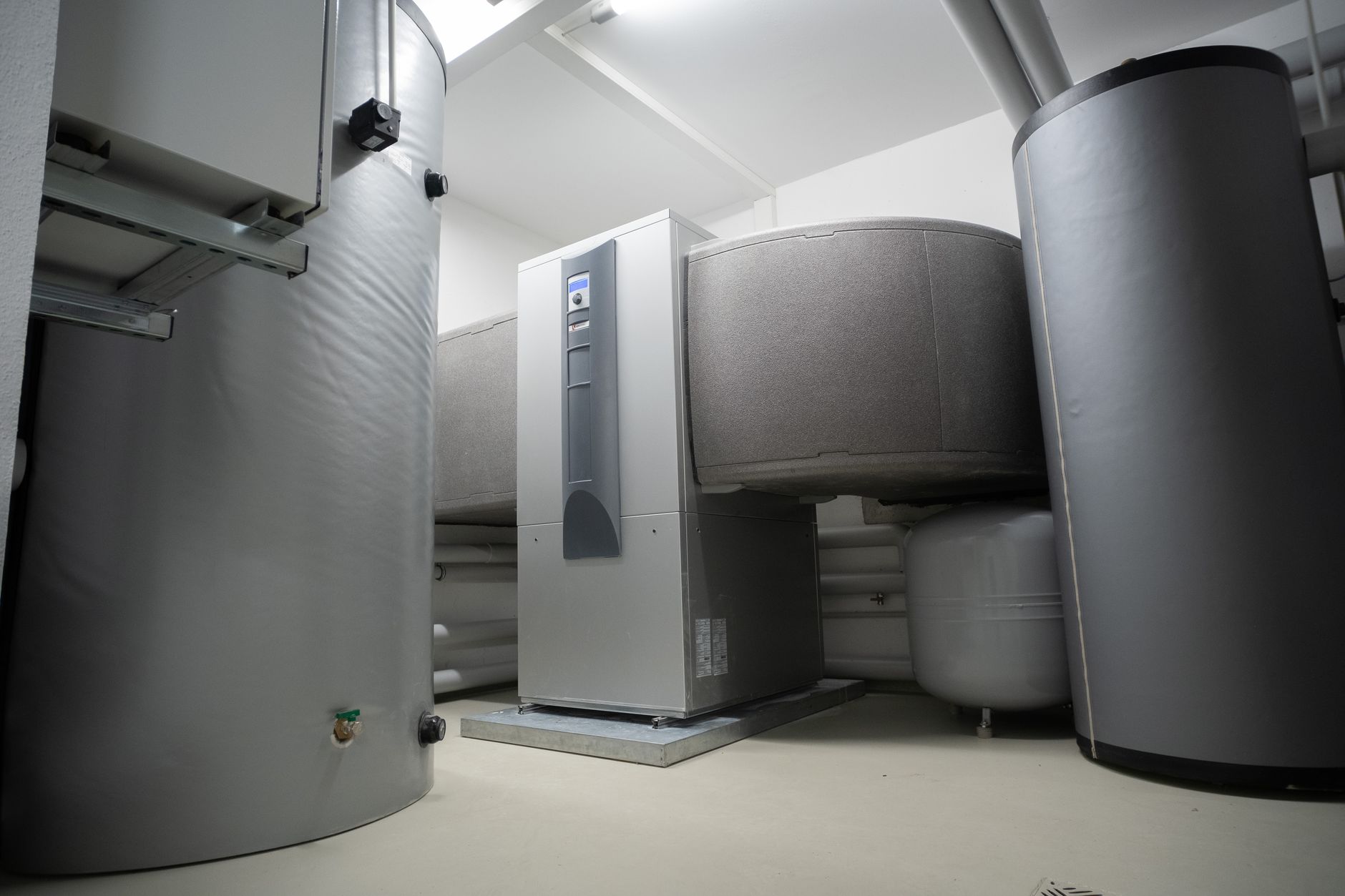
A ground-source heat pump uses a buried loop instead of outdoor air. The ground stays near 50°F to 60°F year-round, so the compressor does not fight freezing air. A 3-ton geothermal unit can deliver a COP of 3.5 to 5.0. That means 3,500 to 5,000 W of heat moved for every 1,000 W consumed. A typical whole-home unit draws 1,800 to 3,000 W while heating or cooling. That is the lowest steady electrical draw of any whole-home HVAC option here. NREL research has shown ground-source systems can reduce site energy use compared with conventional equipment.
The obstacle is first cost. Installed systems commonly run $15,000 to $30,000, depending on vertical drilling or horizontal trenching. Drilling can disturb a yard and sometimes requires special permits. The indoor unit itself lasts 20 to 25 years, and the ground loop can last 50 years or more.
This option makes strong sense in new construction where excavation is already happening. It also keeps outdoor noise nearly zero. For off-grid homes with abundant land, it works well with a solar array and a properly sized battery bank because the draw is stable and moderate. The steady draw is easier on inverters than the start-up spike of a traditional AC.
Key strengths:
- ✅ COP of 3.5 to 5.0 year-round
- ✅ Draws only 1,800 to 3,000 W for a typical whole-home system
- ✅ Stable output regardless of outdoor air temperature
- ✅ Long indoor unit lifespan and quiet operation
- ❌ High installed cost, $15,000 to $30,000
- ❌ Requires drilling, trenching, or land area
- ❌ Complex repairs and fewer local installers
Who it’s for: New construction or major retrofit projects where high first cost is offset by lifetime efficiency.
Frequently Asked Questions
How much electricity does a heat pump use compared to a traditional HVAC system?
A 3-ton air-source heat pump typically uses 2,200 to 3,800 W in heating mode, while an electric furnace uses 8,000 to 15,000 W. A traditional gas furnace uses only 300 to 1,200 W for the blower, but it still burns gas. For cooling, both heat pumps and traditional central AC use about 2,500 to 4,000 W.
Can a home battery run a heat pump during a power outage?
Yes, if the battery and inverter are sized for the heat pump running load and any backup heat strips. A 3-ton heat pump without strip heat draws 2,200 to 3,800 W. A 13.5 kWh battery can run it for a few hours, but a soft starter may be needed for older fixed-speed compressors.
What are HSPF2 and SEER2 ratings?
HSPF2 measures heating efficiency over a full season, while SEER2 measures cooling efficiency. Higher numbers mean lower electricity use. ENERGY STAR certified heat pumps must meet minimum HSPF2 and SEER2 ratings that vary by region and unit type.
Do heat pumps work in freezing temperatures?
Cold-climate heat pumps work below 0°F, but their capacity drops as outdoor temperature falls. Many 2026 models hold full rated output down to 5°F. In extreme cold, a backup heat strip or a dual-fuel gas furnace can cover the shortfall.
How much does a heat pump cost installed in 2026?
A ducted air-source heat pump typically costs $3,500 to $8,500 installed before rebates. Ductless mini-splits run $900 to $2,200 per zone. Ground-source heat pumps cost $15,000 to $30,000 due to drilling or trenching.
Should I replace a gas furnace with a heat pump for solar energy independence?
If your goal is to remove on-site gas and reduce carbon, yes. A heat pump will use more electricity but far less total energy. Pair it with a properly sized solar array and battery. Keep the gas furnace as backup only if you live in an area with extreme cold.
What Should You Remember?
- Heat pump electric draw: A 3-ton air-source heat pump draws 2,200 to 3,800 W, while an electric furnace can draw up to 15,000 W.
- Traditional cooling surge: Central air start-up can spike to 10,000 to 14,000 W, so size inverters and batteries for surge.
- Ductless zoning: Mini-splits draw 500 to 1,500 W per indoor head and avoid duct losses.
- Solar pairing: Heat pumps pair better with solar and batteries than resistance heat, but you must size panels for added winter load.
- Gas trade-off: A gas furnace has low electric draw but still burns gas and produces carbon monoxide.
- Geothermal efficiency: Ground-source heat pumps deliver a COP of 3.5 to 5.0 but cost $15,000 to $30,000 upfront.
This article is for general information only. Home energy systems involve high-voltage electrical work, building codes, permits, and in some cases utility interconnection approvals , always consult a licensed electrician and your local authority before making purchase or installation decisions. Product specs, pricing, and incentives (including tax credits and net metering) change frequently; verify current details with the manufacturer and your utility.