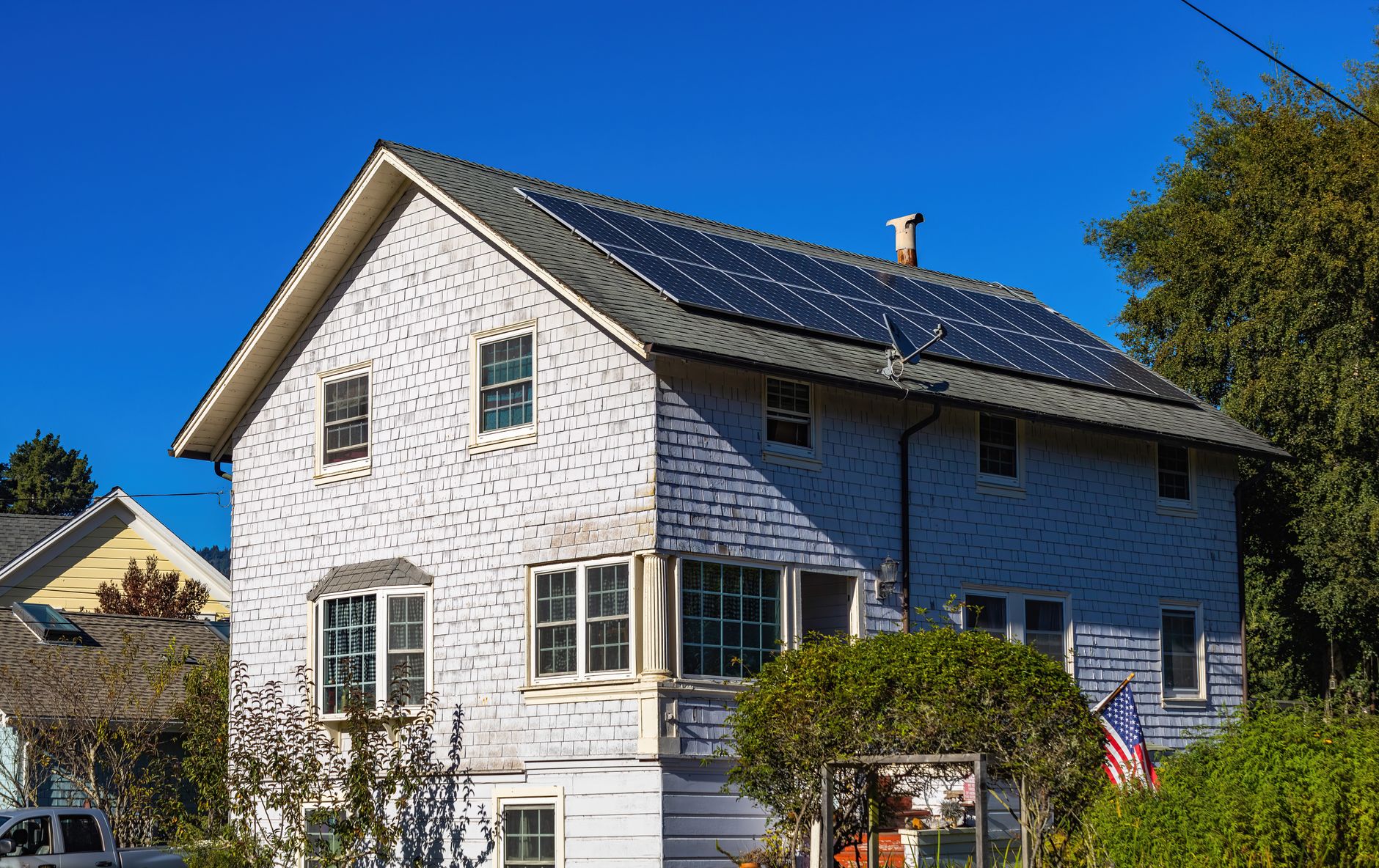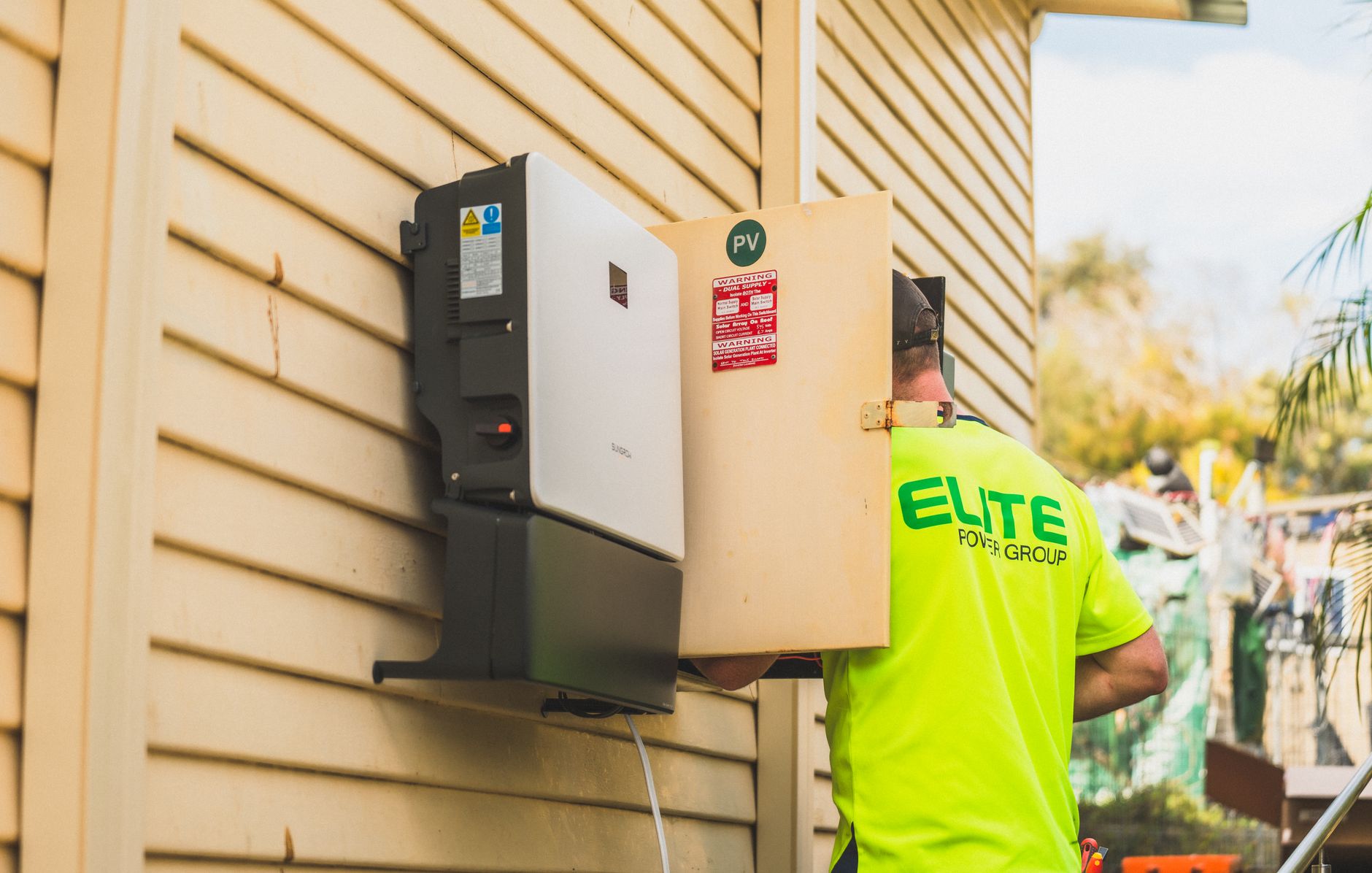
The inverter is the hardest-working box in a solar system. It converts the direct current (DC) from your panels into the alternating current (AC) your home and the grid actually use. In 2026 the choice is no longer just string versus micro. Hybrid inverters have moved from niche battery add-ons to the default choice for homeowners who want whole-home backup. This guide compares the three main paths plus two variations so you can match hardware to your roof, budget, and outage risk. It has to quietly convert power at 96 percent or better, ride through voltage flickers, and shut down safely when the grid fails. Not all inverters do that the same way. If you are also shopping storage, read our best whole-home batteries 2026 guide first.
Why does this matter now? Utility rates keep climbing, and severe weather makes multi-hour outages common. A grid-tied string inverter shuts off during an outage unless you have an automatic transfer switch and battery. A hybrid inverter solves that by managing solar, battery, and backup power in one unit. It can keep essential circuits running while the grid is down. Some utilities now pay less for exports, so shifting solar into a battery instead of selling it back can double the value of each kilowatt-hour. That makes the inverter brain almost as important as the panels themselves. The 30 percent solar tax credit can offset the higher cost if the battery and inverter meet efficiency and capacity rules. Choosing the right type on day one avoids an expensive rework in year three.
We evaluated inverter types the way an installer does. We looked at continuous output, surge capability, shade tolerance, monitoring, battery compatibility, and typical installed price. We also looked at code compliance. Most jurisdictions require inverters to meet UL 1741 and IEEE 1547 for grid interconnection. Rapid shutdown rules under NEC 690.12 affect rooftop equipment choices too. We weighed 2026 warranty terms and manufacturer support. A 25-year microinverter warranty means less risk than a 10-year string alternative, but only if the company survives. If you are unsure whether a battery-ready unit makes sense, read what is a hybrid inverter before comparing prices.
One more point before the comparison. The cheapest inverter is rarely the best value. A string inverter may save $1,500 on a 10 kW system, but one shaded panel can wipe out that savings over 25 years. Microinverters cost more upfront but recover more energy on difficult roofs. Hybrid inverters cost the most, but they turn a solar array into a real backup power source. Think of the inverter as the traffic cop. It decides where each watt goes, when the battery charges, and how much power leaves for the grid. That decision gets more valuable every time utility rates spike. The EnergySage marketplace shows that inverter choice routinely shifts system quotes by $1,000 to $3,000. Let’s break down the options.
How Do the Top Options Compare?
| Inverter Type | Best For | Typical Price | Continuous Output | Key Limitation |
|---|---|---|---|---|
| String Inverters | Simple unshaded roofs | Fronius Primo 10kW from $1,800 | 10 kW | Shade cuts whole string |
| Microinverters | Shaded or complex roofs | Enphase IQ8+ from $190 | 290 VA per unit | Higher upfront cost |
| Hybrid Inverters | Solar plus battery backup | Tesla Powerwall 3 from $9,300 | 11.5 kW | Most expensive category |
| Power Optimizer Systems | Shade with central inverter | SolarEdge Home Hub from $2,500 | 7.6 kW | Still one central inverter |
| Off-Grid Inverter/Chargers | Off-grid or multi-day backup | EG4 18KPV from $3,600 | 12 kW | Complex install |
Prices are hardware-only street estimates before installation, permits, tax credits, and battery costs. Installation must be performed by a licensed electrician. Rapid shutdown and utility interconnection rules vary by jurisdiction.
1. String Inverters , Best for simple, shade-free roofs
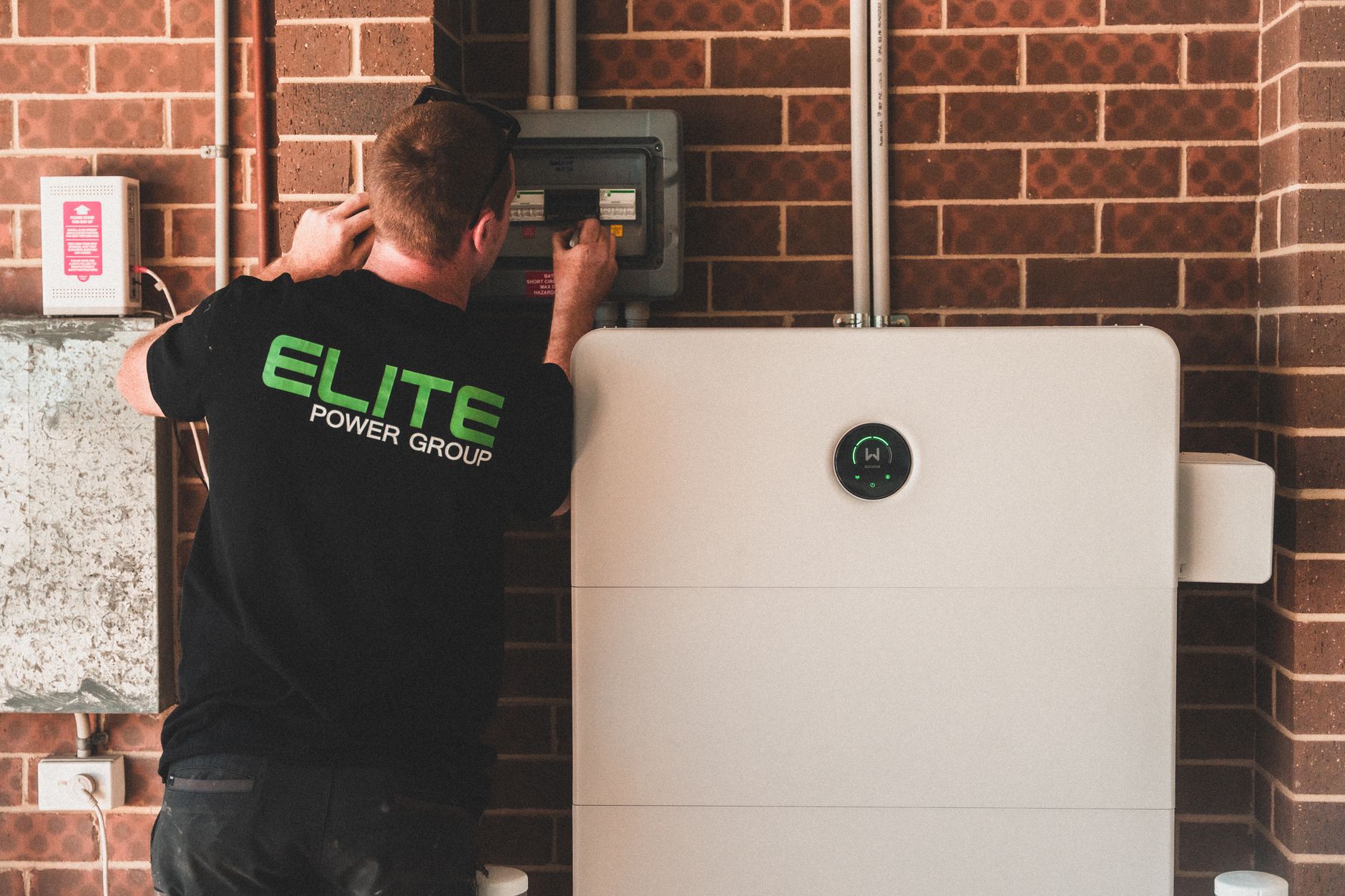
String inverters are the original solar workhorse. They centralize DC to AC conversion in one box near your main panel. A typical 10 kW unit costs about $1,800 USD, runs at 96.5 to 97 percent efficiency, and handles a full string of 8 to 12 panels. That low component count keeps initial cost down and makes service straightforward. Shade is the killer. One dirty or shaded panel can drag down the entire string. Choose this only if your roof has no shadows from vents, trees, or chimneys between 9 a.m. and 3 p.m. Pair a string inverter with DC optimizers if you need partial shade tolerance, but that pushes you closer to optimizer system pricing. The low upfront cost makes sense for a simple, south-facing roof. Just do not expect much expansion flexibility later. Installers like string inverters because they are simple. The unit mounts near the meter, often inside a garage. That keeps it cool and easy to reach. But do not put it in direct afternoon sun if you can avoid it. Heat derates output. A 10 kW unit can lose 10 to 15 percent of capacity on a hot roof without airflow. Installers also need to size the string correctly. Too few panels means the inverter may not reach start voltage on a cloudy morning. Too many panels can overdrive the DC input and clip production. Clipping is not always bad. A little oversizing can improve winter output, but too much wastes summer energy.
Key strengths:
- ✅ Lower upfront cost than microinverter or optimizer systems
- ✅ Fewer components to fail over time
- ✅ Easy access for maintenance when wall-mounted
- ✅ High CEC efficiency on an unshaded string
- ❌ One shaded panel restricts the entire string output
- ❌ No panel-level monitoring without add-on hardware
- ❌ Poor expansion flexibility if you add panels later
Who it’s for: Homeowners with a simple, shade-free roof who want the lowest cost per watt.
2. Microinverters (Enphase IQ8 Series) , Best for shaded or complex roofs
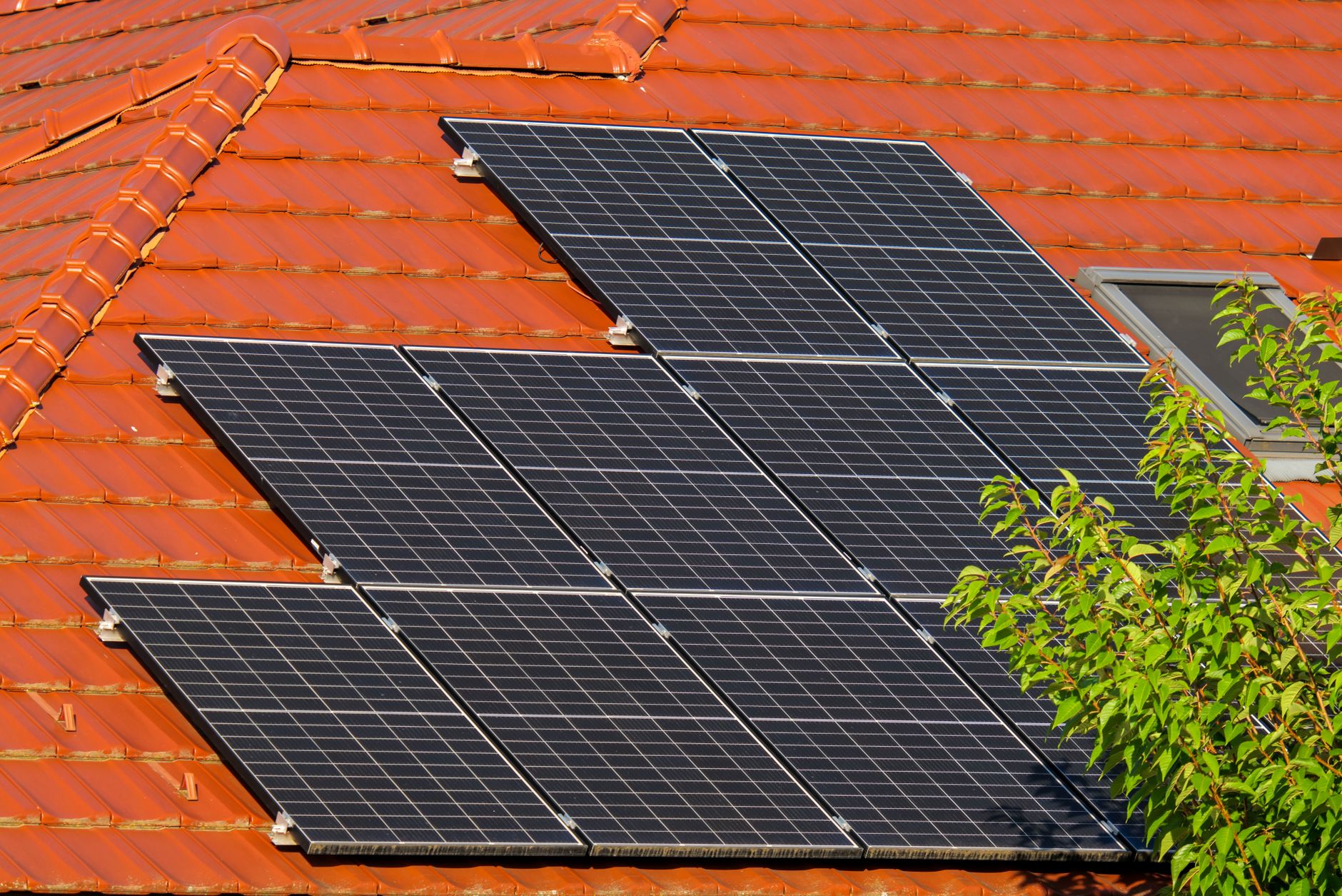
Microinverters attach to the back of each panel and convert DC to AC at the module. The Enphase IQ8 Plus outputs 290 VA continuous and pairs with panels up to about 440 W. That per-panel design means a shaded east-facing panel never drags down a sunny west-facing panel. You also get module-level monitoring through the Enphase app, so a dirty panel or failed unit is easy to spot. Check the Enphase IQ8 Plus on Amazon. Expect to pay roughly $190 to $230 per microinverter before installation. For a 10 kW system, that adds about $2,000 to $2,500 compared with a basic string inverter. The trade-off is real. Microinverters excel on complex roofs with vents, dormers, or tree shade, where string inverters struggle. The NREL has found that module-level power electronics can improve energy recovery in partial shading conditions. If you plan to add panels later, microinverters also scale one module at a time without replacing a central unit. Reliability has improved a lot. Early microinverters failed at 1 to 2 percent per year in hot climates. Newer models use potted electronics and better thermal design. Enphase backs its IQ8 series for 25 years. That warranty matters when a failure means paying a crew to get on the roof. Expect a service call of $300 to $500 even under warranty because of labor and roof access. Compare that with a string inverter replacement at $1,500 to $2,500, but the string unit is easier to access. In high heat, microinverters under panels run hotter than optimizers on the rail. Still, for most complex roofs the energy gain outweighs the heat risk.
Key strengths:
- ✅ Panel-level MPPT and monitoring
- ✅ Shade on one panel does not hurt the rest
- ✅ Simple to expand by adding panel and microinverter pairs
- ✅ Long 25-year warranty typical
- ❌ Higher upfront cost per watt than string inverters
- ❌ More devices on the roof, so more potential failure points
- ❌ Replacement means roof access
Who it’s for: Homeowners with partial shade, multiple roof planes, or a phased expansion plan.
3. Hybrid Inverters (Tesla Powerwall 3, SolarEdge Home Hub) , Best for battery backup and whole-home resilience
Hybrid inverters combine a solar inverter, battery charger, and transfer switch logic in one enclosure. The Tesla Powerwall 3 contains an 11.5 kW continuous inverter with 15.4 kW surge for 10 seconds, enough to start a 4-ton heat pump. A single Powerwall 3 stores 13.5 kWh and retails near $9,300 USD before installation. Check the Tesla Powerwall 3 on Amazon. Why choose hybrid? You avoid connecting a separate solar inverter and a separate battery inverter. That reduces install labor and removes a point of failure. The inverter also decides when to charge the battery, discharge to the home, or export to the grid based on time-of-use rates. This matters in 2026 because utility rates keep shifting. Read how to size a home battery before you commit. Hybrid inverters are not cheap. A solar plus battery install routinely lands between $20,000 and $35,000 USD after installation. But the 30 percent federal tax credit can cover a large share if the battery and inverter meet efficiency and capacity rules. For code compliance, hybrid inverters must meet UL 1741 and IEEE 1547, just like any grid-tied inverter. Hybrid inverters also qualify many utilities for grid services programs. Some pay you a few hundred dollars a year to let them discharge your battery during peak events. Not every utility offers this, so check before you buy. Backup power is not automatic unless the system is configured as a whole-home or critical-loads panel. A hybrid alone does not create whole-home backup. You still need a battery and a transfer device, either built in or separate. Think about which circuits you actually need. The 11.5 kW continuous output of a Powerwall 3 runs lights, fridge, internet, and a heat pump, but not always a 15 kW electric furnace plus EV charger at the same time.
Key strengths:
- ✅ Integrates solar, battery, and backup in one unit
- ✅ High surge capability for motor loads
- ✅ Simpler install than separate solar and battery inverters
- ✅ Smart controls shift loads to avoid high utility rates
- ❌ Most expensive inverter category
- ❌ Often requires a compatible battery or stack
- ❌ Heavy and needs wall space near the main panel
Who it’s for: Homeowners who want solar plus storage plus outage backup in one system.
4. Power Optimizer Systems (SolarEdge Home Hub + Optimizers) , Best for shaded roofs with string-level cost control
Power optimizers are DC-to-DC converters bolted under each panel. They condition the DC output before it travels to a central string inverter. The SolarEdge Home Hub 7.6 kW unit retails near $2,500 USD, plus about $60 to $80 per power optimizer. The result is per-panel MPPT and monitoring at a price often below a full microinverter build. Check the SolarEdge Home Hub inverter on Amazon. Optimizer systems maintain high string voltage, which can reduce line losses on long home runs. They also meet rapid shutdown requirements by dropping panel-level voltage when the grid goes down. That is a real safety benefit for firefighters. The downside is that you still rely on one central inverter. If that central unit fails, the whole array stops until it is replaced. Rapid shutdown is a big advantage. Since 2019, most U.S. codes require rooftop conductors to fall below 80 V within 30 seconds of shutdown. Optimizers do this at the panel. That is why firefighters often prefer optimizer and microinverter systems. String inverters can meet rapid shutdown only with add-on devices at each panel, which erases some of their cost advantage. If you have a roof plane that faces two directions, optimizers give more design freedom than a single string. The central inverter still creates a single point of failure, but SolarEdge’s 12-year warranty can be extended to 25 years for a fee.
Key strengths:
- ✅ Panel-level optimization and monitoring
- ✅ Lower cost than full microinverter systems
- ✅ Safe DC shutdown per panel
- ✅ High string voltage reduces wiring losses
- ❌ Two components per panel plus central inverter
- ❌ Optimizer failure still requires roof work
- ❌ Manufacturer lock-in for monitoring and support
Who it’s for: Homeowners who want shade tolerance and panel-level data without paying microinverter prices.
5. Off-Grid Inverter/Chargers (EG4 18KPV) , Best for off-grid and multi-battery systems
Off-grid inverter/chargers operate without a utility reference and often include generator start contacts. The EG4 18KPV outputs 12 kW continuous and 24 kW surge, with an 18 kW PV input rating. At around $3,600 USD, it is cheaper per kilowatt than many hybrid systems. It runs 48 V lithium battery banks and can stack for larger homes. The generator input matters when a week of clouds drains the battery. Instead of waiting for sun, the inverter starts a standby generator to recharge the bank. Installation is not simple. You need a licensed electrician, proper disconnects, and local code approval. Off-grid battery banks also need a protected space with ventilation and thermal management. If you are planning a full off-grid home, read the rules carefully before buying. For most grid-tied homes, this class is overkill. But for a remote cabin or a resilient multi-day outage setup, it is the right tool. Sizing is critical. An off-grid inverter must cover your largest starting load plus continuous loads. A 4-ton heat pump may need 18 to 22 kW of surge on startup. Stack two EG4 18KPV units if you need more than 12 kW continuous. The generator input also needs a two-wire start connection or a compatible controller. Not every generator can talk to every inverter. Fuel consumption becomes a real operating cost. A 12 kW inverter charging a 30 kWh battery from a propane generator can burn 2 to 3 gallons per hour. That adds up fast during a long outage.
Key strengths:
- ✅ High continuous output for whole-home off-grid use
- ✅ Generator input for extended cloudy periods
- ✅ Large PV input capacity
- ✅ Works with 48 V lithium battery banks
- ❌ Complex installation and commissioning
- ❌ Heavy and not suitable for small homes
- ❌ Not needed for most grid-tied homes
Who it’s for: Homeowners building an off-grid or grid-independent system with large battery banks.
Frequently Asked Questions
What is the difference between a string inverter and a microinverter?
A string inverter converts DC to AC for an entire series string of panels. A microinverter converts DC to AC at each panel. Microinverters handle shade better and provide panel-level monitoring, while string inverters cost less upfront but have a single point of failure.
Which solar inverter type is best for battery backup?
A hybrid inverter is best. It combines solar conversion, battery charging, and backup control in one unit. Some hybrid models like the Tesla Powerwall 3 integrate a battery, while others require a separate compatible battery. This reduces install labor and makes outage handoff faster than AC-coupled add-ons.
Can I add a battery to a string inverter later?
Usually not with a basic string inverter. You would need an AC-coupled battery or a separate battery inverter, which adds cost and another point of failure. A hybrid or battery-ready inverter avoids that complexity if storage is in your plan.
Are microinverters worth the extra cost?
Yes for shaded or complex roofs. The extra $2,000 to $2,500 on a 10 kW system often pays back through better energy recovery and easier troubleshooting over 25 years. On a simple south-facing roof, a string inverter may be the better value if you never plan to add a battery.
What size inverter do I need for a whole home?
Most homes need at least a 7.6 kW inverter, while larger homes with electric heat or two EVs should consider 10 to 12 kW. Match the inverter continuous output to your largest simultaneous loads, not just the solar array size. Surge rating matters for motors and heat pumps.
Can I install a solar inverter myself?
No. Grid-tied and battery inverters involve line voltage, rapid shutdown circuits, and utility interconnection rules. A licensed electrician must install and commission the system to meet UL 1741 and local code. Improper install can energize the grid during an outage and injure utility workers.
What Should You Remember?
- String inverters: lowest upfront cost, but only for shade-free roofs
- Microinverters: panel-level power and monitoring, ideal for complex or shaded roofs
- Hybrid inverters: the top 2026 choice for solar plus battery backup
- Power optimizers: a middle ground with per-panel data and lower cost than micros
- Off-grid inverter/chargers: high surge and generator input for off-grid homes
- Code compliance: UL 1741 and IEEE 1547 are mandatory for grid-tied installs
- Quotes: inverter type shifts total system price by $1,000 to $3,000
This article is for general information only. Home energy systems involve high-voltage electrical work, building codes, permits, and in some cases utility interconnection approvals , always consult a licensed electrician and your local authority before making purchase or installation decisions. Product specs, pricing, and incentives (including tax credits and net metering) change frequently; verify current details with the manufacturer and your utility.