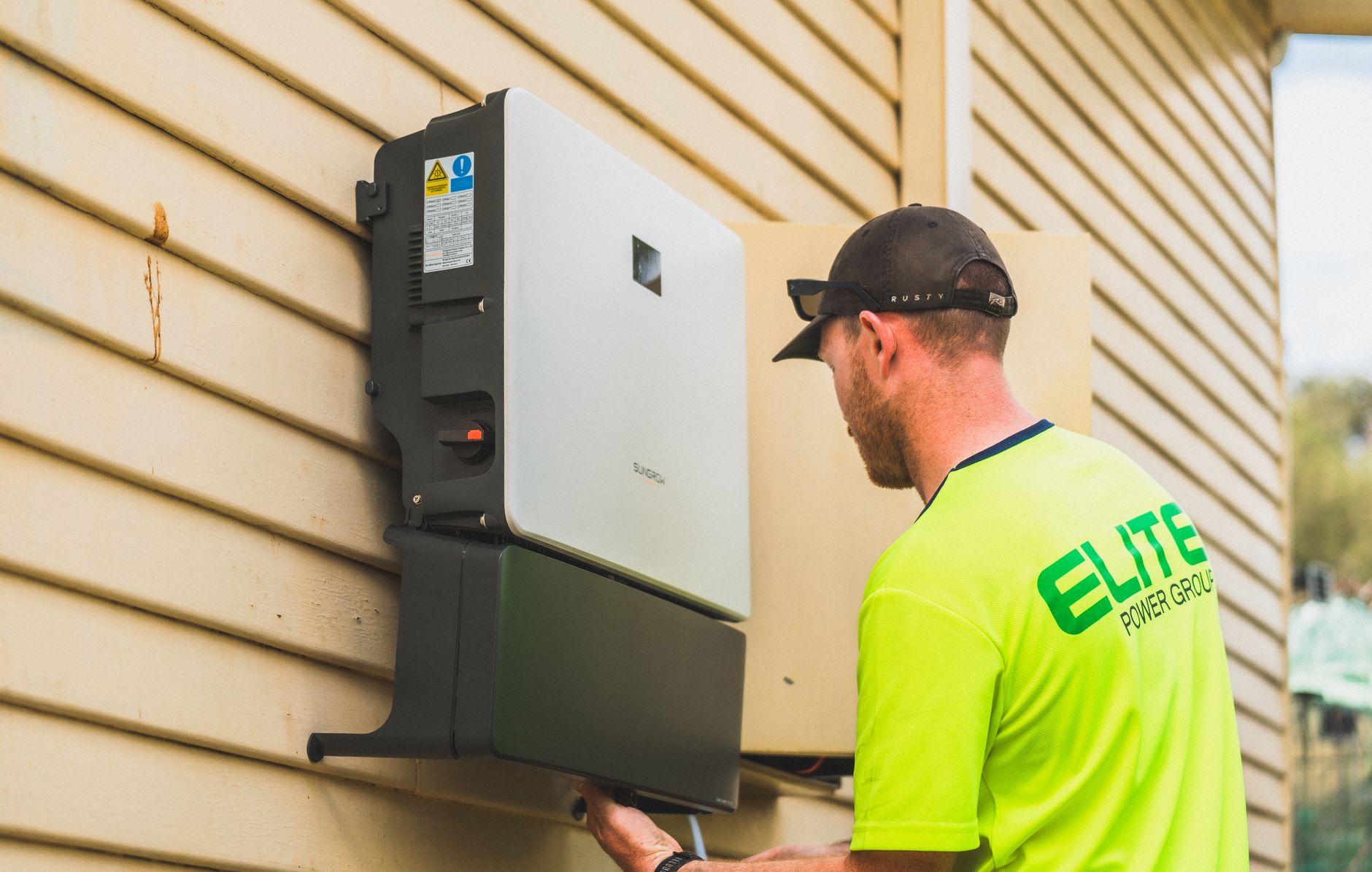
Most home solar systems rely on a string inverter or microinverters to convert solar DC power into AC power. A hybrid inverter goes further. It combines that solar conversion job with battery management and grid connection controls inside one cabinet. This matters for homeowners who want energy independence, backup power, or lower utility bills. Instead of installing a separate solar inverter, a battery inverter, and sometimes a charge controller, you install one coordinated device. That integration changes how your home uses solar energy, stores it, and rides through outages.
The rise of home batteries has made the hybrid inverter more common. According to the U.S. Energy Information Administration, the average U.S. home uses about 10,500 kilowatt-hours of electricity per year. A hybrid inverter can help you use more of the solar energy your panels produce instead of exporting it to the grid. The National Renewable Energy Laboratory has documented power conversion efficiencies above 95 percent in modern inverter equipment. Those numbers show why solar plus battery systems are becoming practical for whole-home backup and daily bill savings.
This guide explains what a hybrid inverter is, how it works, what it costs, and how it compares with standard solar inverters. You will also learn how to size one and whether it makes sense for your home. If you are comparing whole-home batteries or considering a solar battery versus a generator, this article gives you a solid foundation. You can look at our solar installation cost guide for the full system picture.
| System Type | Battery Readiness | Backup Capability | Best For |
|---|---|---|---|
| Standard string inverter | No | No, shuts down | Simple grid-tied solar |
| Microinverter system | No, unless AC coupled | No, shuts down unless equipped | Complex roofs, partial shade |
| Hybrid inverter | Yes, built-in | Yes, with battery | Solar plus storage, backup, load shifting |
| AC-coupled battery inverter | Yes, separate battery inverter | Yes, with battery | Retrofit storage to existing solar |
How Does a Hybrid Inverter Work?
A hybrid inverter sits between your solar panels, your battery, your home loads, and the utility grid. It converts DC electricity from the panels into AC electricity for immediate use. When your panels produce more power than your home needs, the inverter directs the surplus into the battery. When solar production drops at night or during cloudy weather, the inverter pulls stored DC energy from the battery and converts it to AC. That simple loop is the core of solar self-consumption.
Most hybrid inverters also manage grid interaction. They can decide whether your home draws from solar, battery, or grid power at any moment. Many systems have modes such as self-use, time-of-use, backup, and grid-tie with zero export. In backup mode, the inverter disconnects from the grid and forms a local AC power island. That is how a hybrid inverter can keep essential loads running during a blackout. The U.S. Department of Energy describes solar plus storage systems as a way to improve resilience and reduce peak demand.
A key advantage is the reduction in power conversion steps. In a DC-coupled hybrid system, solar energy can charge the battery directly. It does not need to be converted to AC first. Fewer conversion stages usually mean less energy loss. That is why many modern hybrid inverters can deliver high round-trip efficiency, often above 95 percent according to NREL testing. For a homeowner, that means more of the solar energy you generate actually reaches your appliances.
- Converts solar DC to home AC
- Charges the battery when solar surplus exists
- Discharges the battery when home demand exceeds solar output
- Synchronizes with the grid or islands during outages
What Are the Main Types of Hybrid Inverters?
Hybrid inverters come in several configurations. The most common is a DC-coupled system. In a DC-coupled layout, solar panels feed DC power into the hybrid inverter. The inverter then charges the battery directly with DC power and converts any needed power to AC for the home. This approach typically has fewer conversion stages and can achieve high round-trip efficiency. The National Renewable Energy Laboratory has documented DC-coupled storage efficiencies above 95 percent in modern systems.
Another option is an AC-coupled system. Here a standard grid-tie solar inverter converts solar DC to AC first. A separate battery inverter, often called a storage inverter, charges the battery from the AC bus. AC coupling works well when you already have an existing solar system and want to add storage without replacing the original inverter. It can be easier to retrofit, but it may have slightly more conversion losses because power changes from DC to AC to DC to charge the battery and back to AC for home use.
Some units are called all-in-one hybrid inverters or smart energy management systems. They may include built-in charge controllers, transfer switches, energy monitoring, and even generator inputs. Others are more basic and require external accessories. When comparing products, you should check whether the inverter is listed to UL 1741 and whether the manufacturer supports whole-home backup or only partial backup. Our guide to the best solar inverters explains these product differences in more detail.
- DC-coupled hybrid inverter: best for new solar and battery installs
- AC-coupled battery inverter: best for retrofitting storage to existing solar
- All-in-one hybrid inverter: best for whole-home backup and generator integration
How Is a Hybrid Inverter Different from a Standard Solar Inverter?
A standard string inverter only converts solar DC to AC. It has no battery port and no built-in battery controls. When the grid goes down, a standard grid-tied inverter must shut off. That is required for utility worker safety. A hybrid inverter is designed to work both with the grid and without it. It can disconnect from the grid and continue producing AC power from solar panels and battery storage.
This difference matters for two reasons. First, a hybrid system can provide backup power if the grid fails. Second, it can shift energy. You can store cheap midday solar generation and use it during expensive evening peak rates. That is harder and often less efficient with a standard solar inverter and a separate battery system. A hybrid inverter centralizes those decisions in one power control system.
Many hybrid inverters also include a transfer switch function. That saves wall space and wiring complexity. In a conventional system, you might have a solar inverter, a battery inverter, a charge controller, and an external transfer switch. A hybrid unit can reduce that stack to one major device. For a side-by-side look at how these systems handle backup power, see our article on solar battery vs generator.
- Standard solar inverter stops working when grid power fails
- Hybrid inverter can island your home
- Hybrid inverter has built-in battery charge and discharge control
- Fewer components usually means a simpler installation
What Size Hybrid Inverter Do I Need?
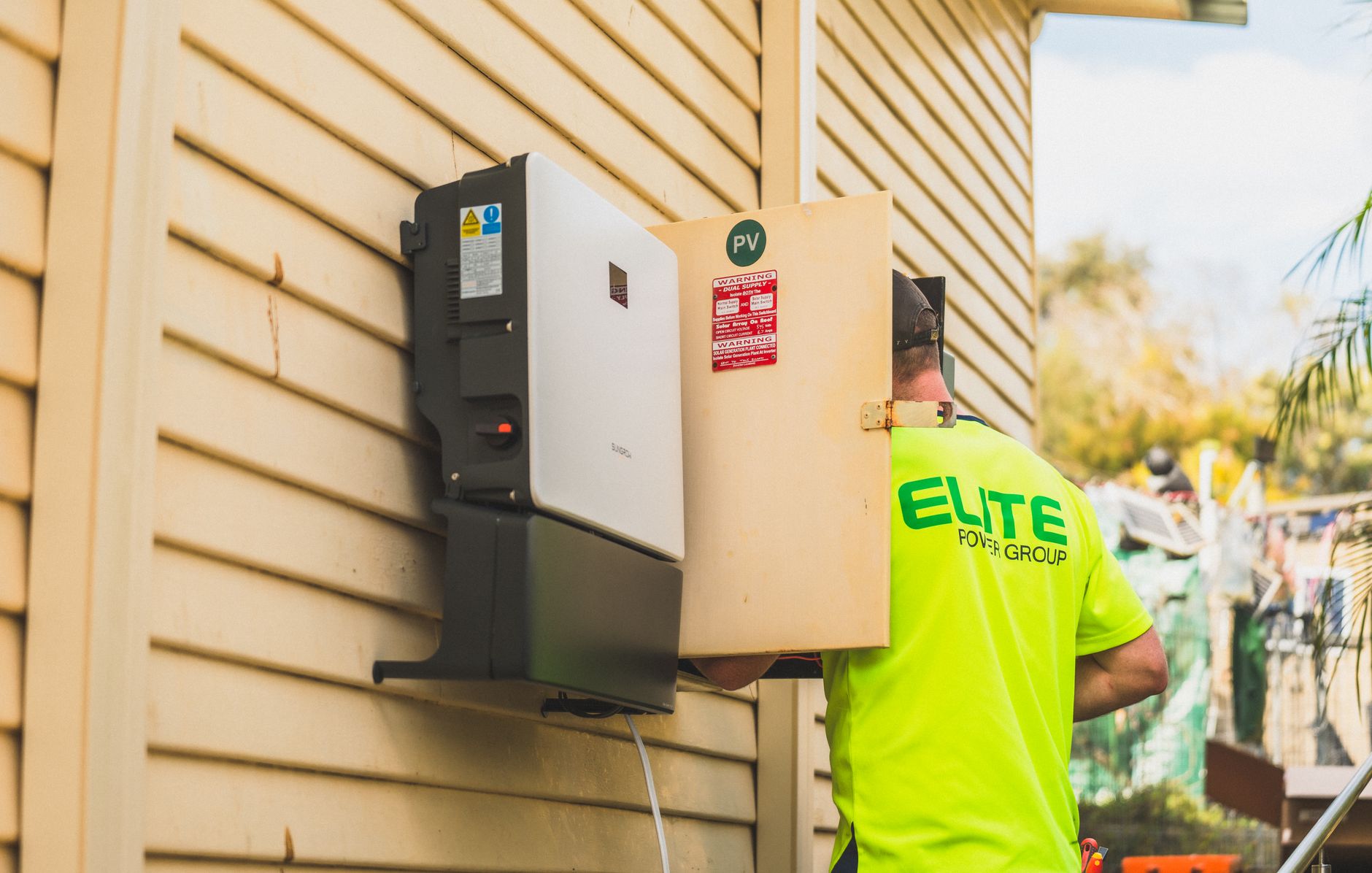
Sizing a hybrid inverter starts with your home’s peak AC load. The inverter must be large enough to run the circuits or appliances you want to back up. Many homes with air conditioning need a 7.6 kW to 12 kW hybrid inverter or larger. A smaller apartment or a partial backup panel may do fine with a 3.8 kW to 5 kW unit. The U.S. Energy Information Administration reports that the average U.S. home uses about 10,500 kilowatt-hours per year, but peak demand can be much higher than average demand.
Battery sizing is separate but related. The inverter’s battery charging rate must match your battery bank. Some hybrid inverters can charge and discharge at 5 kW to 10 kW. If your home has high evening loads, you may need a battery system and inverter that can deliver that power without hitting a bottleneck. Use our guide on how to size a home battery to match storage capacity to your overnight usage.
A common rule of thumb is to cover your single largest 240-volt load, such as a heat pump or well pump. Start with an energy audit. Add up the running watts of the circuits you want to protect. Then add starting surge for motors. A hybrid inverter with a strong surge rating can start a refrigerator or well pump without tripping. If you want whole-home backup, you may need multiple hybrid inverters or a large single unit plus a critical loads panel.
- Calculate running watts and surge watts
- Match inverter continuous output to backup loads
- Check battery charge and discharge power limits
- Consider future loads like an EV charger or heat pump
What Does a Hybrid Inverter Cost and Is It Worth It?
Hybrid inverters generally cost more than standard solar inverters because they include more electronics. A standard string inverter might cost $1,500 to $3,000 for a typical home. A hybrid inverter often ranges from $2,500 to $6,000 or more, depending on capacity and features. This is equipment cost only. Installation, batteries, and electrical work add significantly to the total. Our article on solar installation costs breaks down the full system price.
When paired with a battery, a hybrid inverter can reduce your utility bills by storing solar energy for evening use. Time-of-use rates make this more valuable. If your utility charges 40 cents per kilowatt-hour during peak hours and 12 cents off-peak, load shifting can produce meaningful savings. In many states, net metering rules also affect how much you save. Check your utility rate schedule and export rules before deciding.
The federal solar tax credit can cover 30 percent of the cost of a solar plus storage system, including the hybrid inverter, if the battery charges from solar. This is a major incentive for many homeowners. The credit applies to the cost of the inverter, labor, and battery when the system meets the rules. For more detail, see the solar tax credit guide.
- Hybrid inverter equipment: about $2,500 to $6,000 before installation
- Standard string inverter equipment: about $1,500 to $3,000
- 30 percent federal tax credit may apply to the full storage system
- Time-of-use load shifting can improve payback
Can a Hybrid Inverter Power My Home During an Outage?
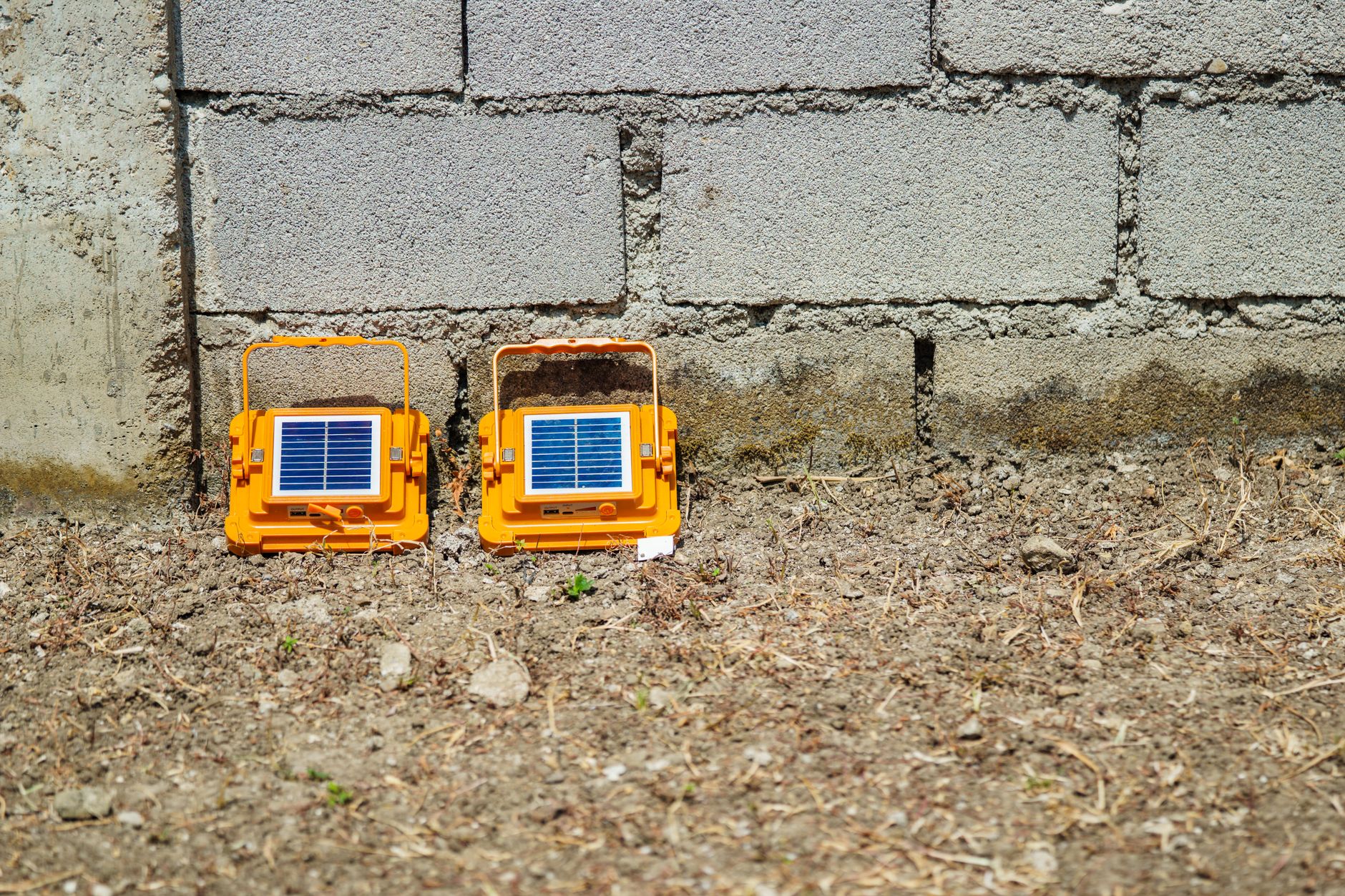
Yes, if the system is configured for backup and has a battery. A hybrid inverter alone cannot power your home during an outage unless it has stored energy or solar input and is designed for islanding. In a blackout, the inverter disconnects from the grid through an internal or external transfer switch. It then creates a local AC power source using battery and solar energy. Essential loads wired to a critical loads panel continue to run. Whole-home backup is possible with larger inverters and battery banks.
The length of backup depends on battery capacity, solar production, and your load. A 10 kWh battery may run a refrigerator, lights, internet, and a few outlets for 12 to 24 hours depending on usage. An air conditioner or electric heater will drain it much faster. For a full outage planning checklist, see our how to prepare for power outages guide. If you want more storage, compare options in best whole home batteries.
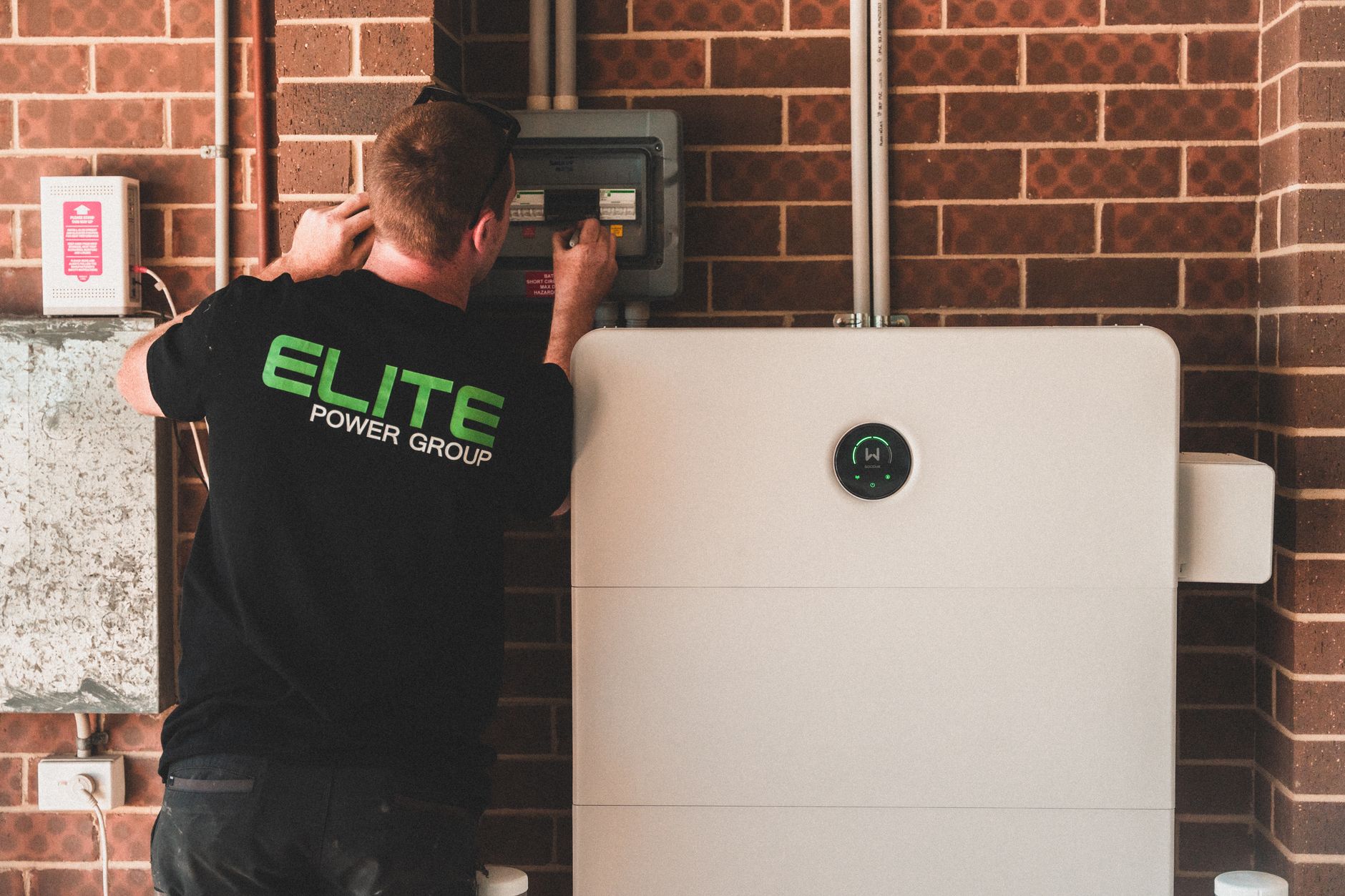
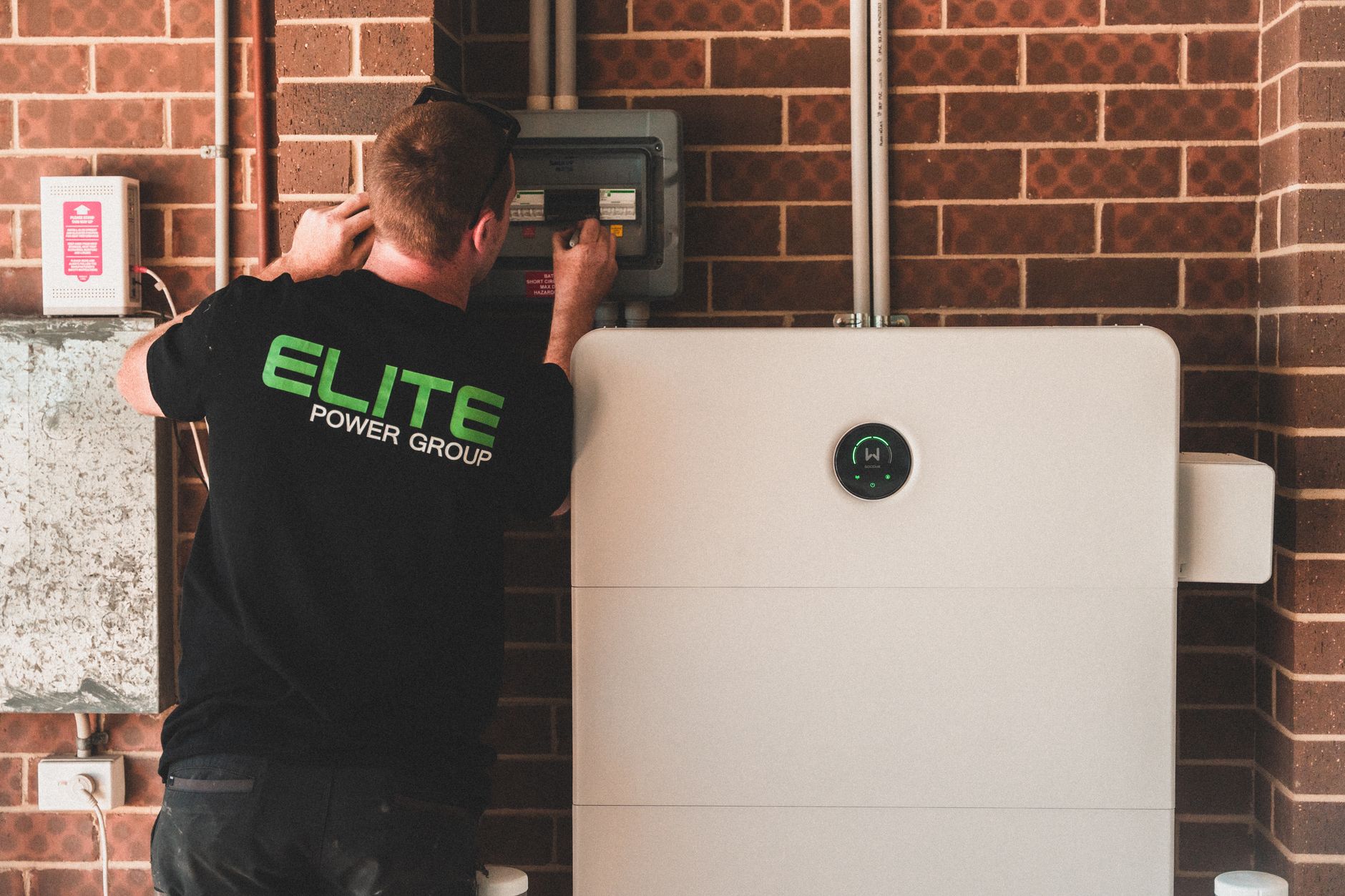
Safety is essential. A hybrid inverter must be listed to UL 1741 and installed by a licensed electrician. The inverter must disconnect from the grid to prevent backfeeding utility lines. Never attempt to wire a hybrid inverter yourself. When installed correctly, a hybrid inverter offers seamless backup power that starts within seconds of a grid failure.
- Works automatically within seconds of a grid outage
- Requires a battery and backup mode
- Whole-home backup needs a larger inverter and battery bank
- Install only with a licensed electrician
Frequently Asked Questions
Does a hybrid inverter work without batteries?
Yes. Many hybrid inverters can operate as a standard grid-tied solar inverter when no battery is connected. But backup power and energy shifting require a battery.
Can I add a hybrid inverter to an existing solar system?
It depends on your current equipment. You can replace a standard inverter with a hybrid model or add an AC-coupled battery inverter. A licensed electrician can tell you which approach fits your panels and electrical panel.
What is the lifespan of a hybrid inverter?
Most hybrid inverters last 10 to 15 years. That is similar to or slightly shorter than many solar panels. Some manufacturers offer extended warranties up to 20 years.
Is a hybrid inverter louder than a standard solar inverter?
Not usually. Most hybrid inverters use passive cooling or quiet fans. Noise levels are typically low, around 30 to 50 decibels, which is comparable to a refrigerator.
Does a hybrid inverter qualify for the federal solar tax credit?
Yes, in most cases. The 30 percent federal tax credit can include the hybrid inverter and battery if the battery is charged by solar. Confirm eligibility with a tax professional.
Can a hybrid inverter charge an electric vehicle?
It can provide AC power to an EV charger, but it does not replace the charger itself. You still need a compatible Level 2 EV charger. The inverter simply supplies household power.
What Should You Remember?
- Hybrid inverter combines solar, battery, and grid management in one device.
- Backup power works only when a battery is connected and the system is configured for islanding.
- Sizing must match your largest backup loads and battery charge rate.
- Cost is higher than a standard inverter but can be offset by the 30 percent federal tax credit.
- Efficiency above 95 percent makes DC-coupled hybrid systems attractive for daily use.
- Professional installation is required to meet UL 1741 and local code requirements.
- Load shifting can reduce bills if your utility uses time-of-use rates.
This article is for general information only. Home energy systems involve high-voltage electrical work, building codes, permits, and in some cases utility interconnection approvals , always consult a licensed electrician and your local authority before making purchase or installation decisions. Product specs, pricing, and incentives (including tax credits and net metering) change frequently; verify current details with the manufacturer and your utility.