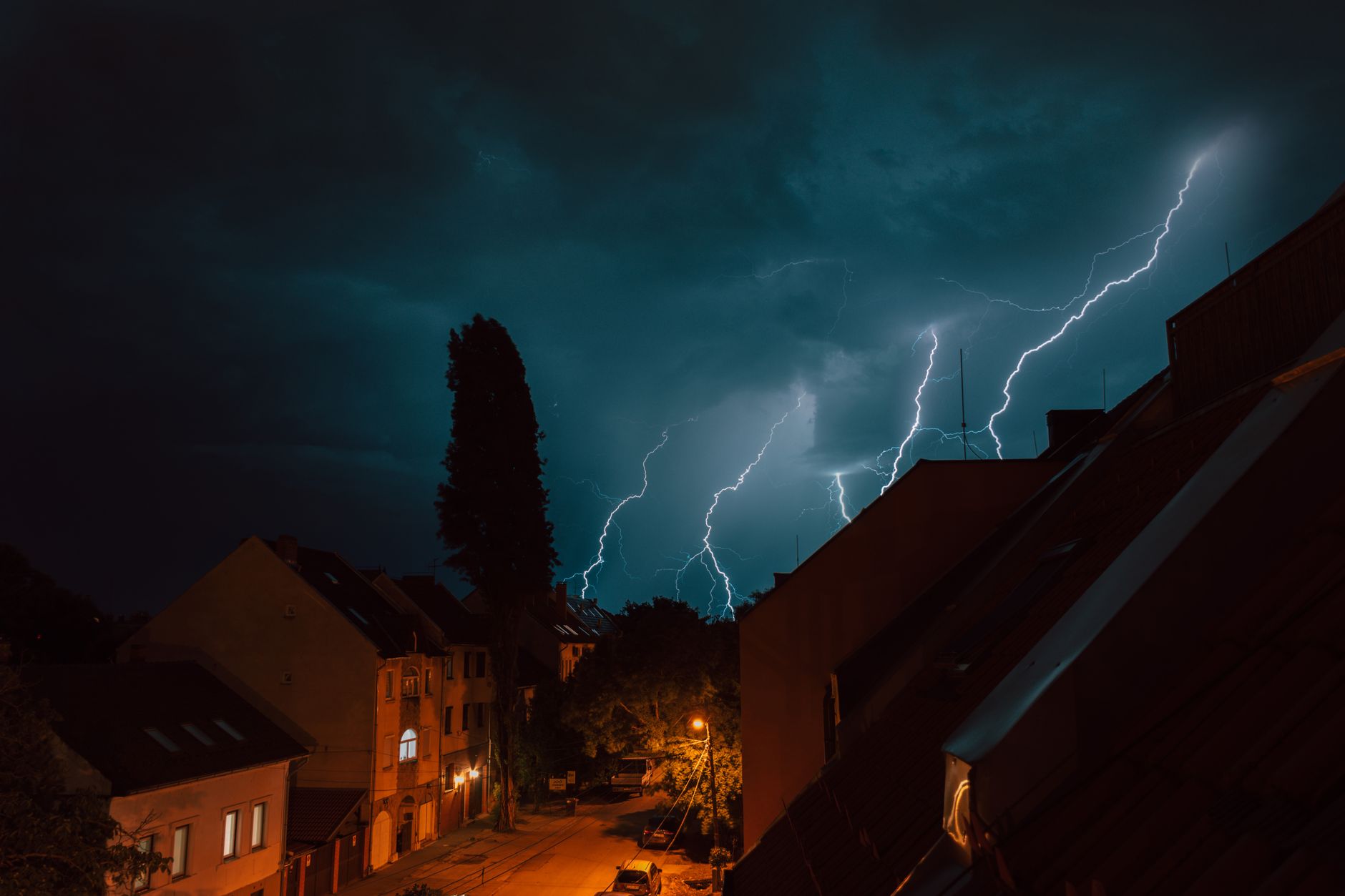
Power outages are getting longer and more disruptive across the country. Federal data shows that many U.S. customers now lose power for several hours each year, and a single winter storm can push that into days. A written checklist helps you act fast instead of guessing in the dark. The right preparation covers water, food, medical devices, lighting, and a safe backup power source that matches your home.
The first decision is not which generator to buy. It is which loads must keep running. Our guide to home battery vs generator vs solar explained walks through the main backup power options. A refrigerator, CPAP machine, well pump, or furnace blower may be critical. A swimming pool pump or clothes dryer is not. Knowing the difference will save you money and prevent overload.
You need a layered plan. Start with low cost items like water, shelf stable food, battery lanterns, and warm blankets. Then add a backup power source that matches your budget and runtime needs. Do not rely on one thin extension cord and a portable generator without understanding the limits. A safe plan includes transfer equipment, outdoor placement, and carbon monoxide protection.
This checklist walks through the whole process step by step. Use it before storm season, after any major electrical change, and after your first real outage. Test everything twice a year and log the results. The goal is whole home backup that is safe, legal, and sized for real loads, not just a pile of gear in the garage.
What You’ll Need
- flashlight
- battery powered lantern
- portable generator or power station
- heavy duty extension cords
- manual transfer switch or interlock kit
- CO detector
- appliance thermometer
- paper checklist
How Do You Prepare for Power Outages?
- Build a household outage map and power budget
Walk through each room and list anything that must stay powered. A refrigerator often draws 150 to 800 watts depending on size and age. A CPAP machine may draw 30 to 60 watts. A gas furnace blower usually draws 400 to 800 watts. Write down running watts and starting watts for motors. This step prevents you from buying the wrong size backup source.
Separate critical, important, and optional loads. Critical loads include medical devices, sump pumps, and the refrigerator. Important loads include lights, internet, and a well pump. Optional loads include dishwashers, dryers, and air conditioning. Your backup source only needs to cover critical and important loads during a short outage. For a longer outage, trim the list even more.
Use a power meter or check the appliance label. If a label only shows amps, multiply amps by volts to get watts. On a 120 volt circuit, 10 amps equals 1,200 watts. Add 25 to 30 percent margin for motor starting surges. That margin prevents overload trips when a fridge compressor or well pump starts.
This map connects directly to generator and battery sizing. Use our home battery sizing guide to turn your critical loads into kilowatt hours. If you skip this step, you may buy a generator that cannot start your well pump or a battery that dies after two hours.

- Stock water, food, and lighting without overloading circuits
Store at least one gallon of water per person per day for three days. That means about six gallons for a two person household. Canned food, peanut butter, and dry goods do not need cooking. A manual can opener and paper plates reduce cleanup and save water. A battery powered lantern is much safer than candles, which can start house fires.
For lighting, choose LED lanterns with built in rechargeable batteries. They use about 3 to 10 watts and run 10 to 50 hours on a charge. Keep a stock of AA and AAA batteries in a drawer. Headlamps keep your hands free for resetting breakers or checking the generator at night. Avoid running many indoor extension cords for lamps because undersized cords can overheat.
If you plan to use a portable power station for small loads, do not chain power strips. Many household power strips are rated for 15 amps or 1,800 watts. A space heater can draw 1,500 watts on its own, leaving almost no capacity. Plug high wattage devices directly into the power station or into a single heavy gauge outdoor rated cord.
Keep food safety in mind before the outage. The U.S. Department of Energy notes that a refrigerator keeps food cold for about 4 hours if the door stays closed. A full freezer keeps food safe for about 48 hours, and a half full freezer for about 24 hours. Buy appliance thermometers and keep the fridge at 40 degrees Fahrenheit or below, and the freezer at 0 degrees Fahrenheit or below.
- Choose a backup power source that fits your loads
Compare three main options. A portable generator is often the cheapest way to run large loads, but it needs fuel and makes noise. A portable power station or home battery is quiet and can operate indoors, but it costs more per kilowatt hour. Solar plus storage gives long duration backup without gasoline, but it requires a larger upfront investment.
For small outage coverage, a portable generator in the 2,200 watt starting class may cover a fridge, some lights, and a furnace blower. The Honda EU2200i generator is a 1,800 watt continuous and 2,200 watt starting inverter model. It can run about 8.1 hours on 0.95 gallons at quarter load. That works for a basic overnight outage but not for a whole home. See our best home backup generators guide for larger options.
If you want quiet indoor backup for lights, internet, and a CPAP machine, consider a large portable power station. Models in the 2,000 to 3,600 watt hour range can run a fridge for 6 to 14 hours depending on load. But they still need recharging from the grid or solar panels. Fixed home batteries offer more automatic whole home coverage.
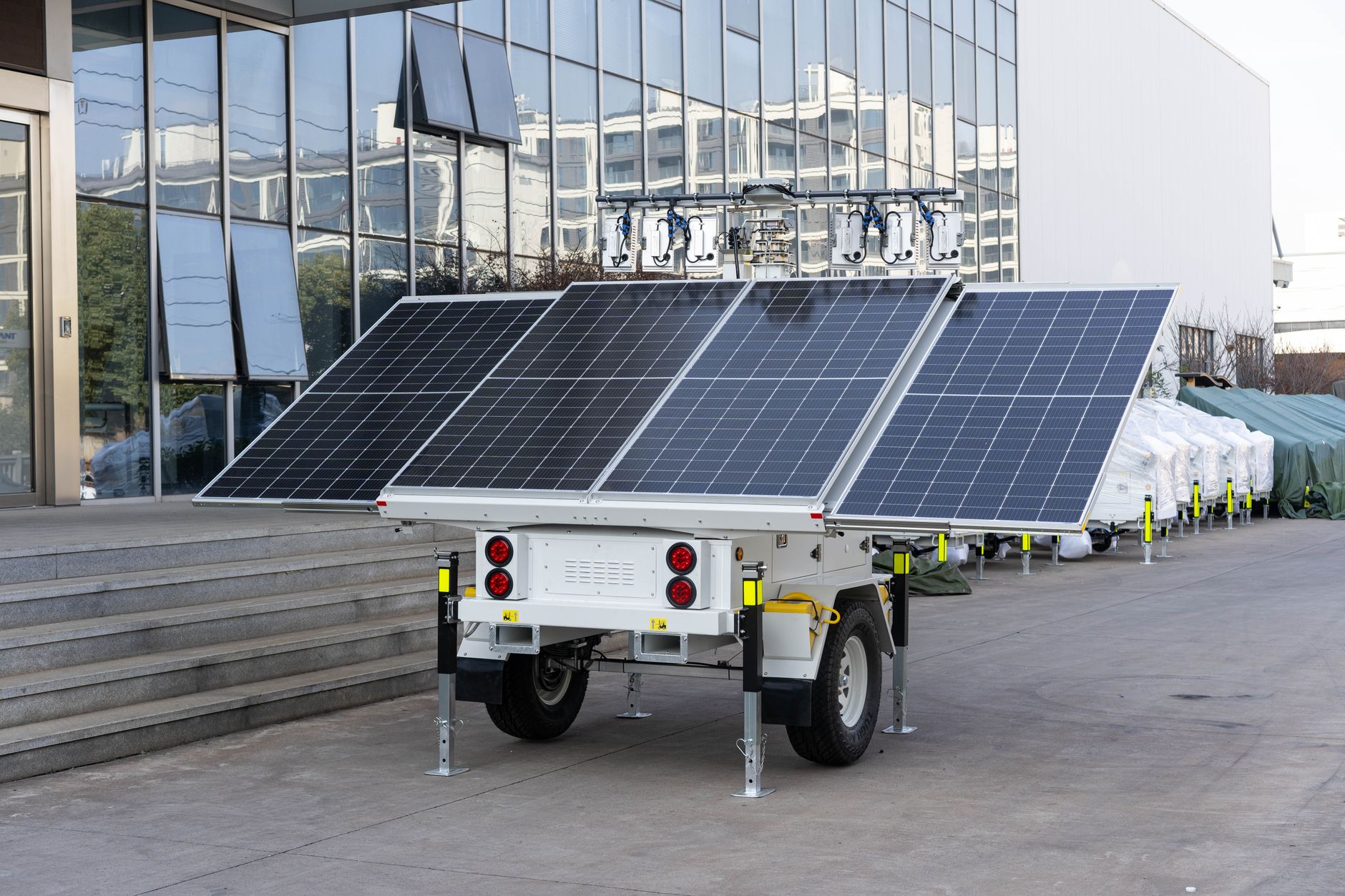
For whole home backup without gasoline, consider a home battery paired with solar. A 13.5 kWh battery can cover essential circuits for a day or more if you manage loads. Solar recharges it each morning. Compare noise, runtime, and long term fuel cost before you decide.
Match the source to your step one power budget. Do not buy a 1,000 watt generator for a 1,500 watt well pump. And do not overspend on a 20 kW generator if you only need a fridge and lights. Start with starting watts and runtime.
- Install safe generator connections and CO protection
Never run a portable generator inside a home, garage, or enclosed porch. Carbon monoxide is colorless and odorless. A UL 2034 listed CO detector will alarm before dangerous exposure, typically before 70 parts per million for 60 to 240 minutes. Install a battery powered CO detector on every level and outside sleeping areas. The First Alert CO400 carbon monoxide detector is a simple battery powered option.
Place the generator at least 20 feet from any door, window, or vent. Point the exhaust away from the house. Do not run it on a porch or in a crawlspace. Even a garage door open does not provide enough ventilation. CO can build up quickly and cause headache, dizziness, confusion, or death.
For connecting a generator to home circuits, use a listed manual transfer switch or interlock kit installed by a licensed electrician. Never backfeed a dryer or range outlet. Backfeeding can energize utility lines and kill line workers. It can also overload your home wiring because there is no proper breaker separation.
Use 12 or 10 gauge outdoor rated extension cords for direct appliance connections. A 1,800 watt load at 120 volts draws 15 amps. Most 16 gauge indoor cords are too small for that. Long runs create voltage drop and heat. Keep cords out of water and away from foot traffic.
Check the generator fuel source before the outage. Store gasoline in an approved container away from living areas. Add fuel stabilizer if gasoline will sit longer than 30 days. Propane stores longer and reduces carburetor problems on dual fuel models.
- Set up a battery or solar backup system
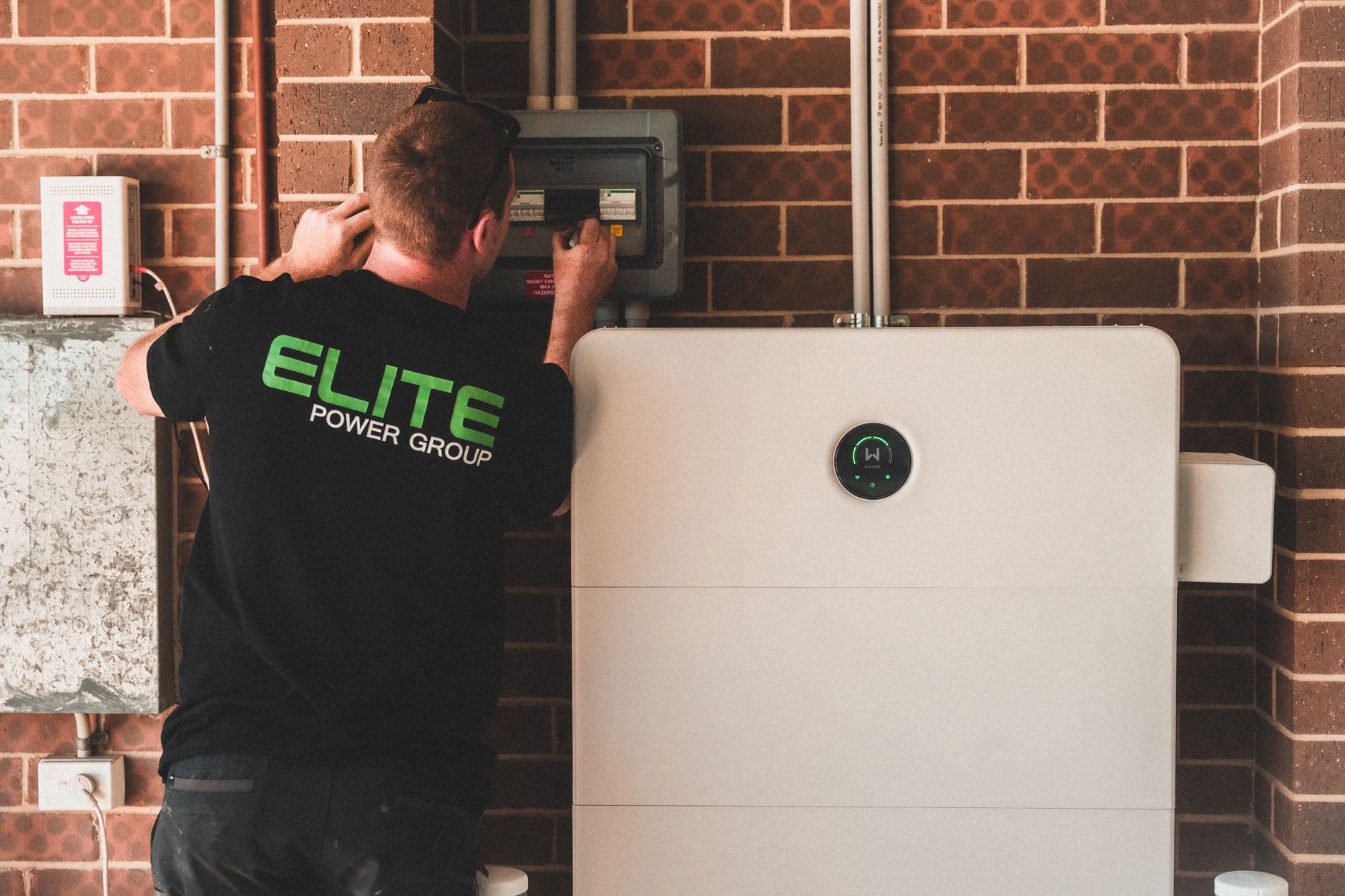
Choose between a portable power station, a critical load battery, or a whole home battery. A critical load panel keeps only selected circuits powered. That reduces cost and battery size. A whole home system can run more circuits but costs more. Compare current models before buying and match the capacity to your step one load list.
Battery capacity is measured in kilowatt hours. A 10 kWh battery may keep a fridge, internet, and a few lights running for 12 to 24 hours. A larger 13.5 kWh unit gives more margin for cloudy days. The EcoFlow DELTA Pro power station is a portable 3.6 kWh unit that can expand, but fixed batteries are better for automatic switching.
If you add solar, size the array to recharge the battery in one day. The National Renewable Energy Laboratory notes that residential battery systems often deliver about 85 to 90 percent round trip efficiency. That means a 10 kWh battery may provide about 8.5 to 9 kWh of usable energy. Account for that loss in your plan.
You need a hybrid inverter or a grid forming inverter if you want automatic backup. A standard grid tied solar system shuts down during an outage unless it has islanding capability. Our hybrid inverter explainer covers the difference. Work with a licensed electrician to install the battery and transfer equipment.
Check the battery temperature range. Many lithium iron phosphate batteries can discharge between 14 and 122 degrees Fahrenheit, but cold weather derates capacity. If the battery sits in a garage, keep it above freezing for best performance. An insulated enclosure or indoor installation may be required in cold climates.
- Protect refrigerated food and medical devices
Keep appliance thermometers in the fridge and freezer. The fridge should stay at 40 degrees Fahrenheit or below. The freezer should stay at 0 degrees Fahrenheit or below. When the power goes out, leave the doors closed. Every opening lets cold air escape and shortens the safe window.
A refrigerator keeps food cold for about 4 hours if you keep the door shut. A full freezer holds food for about 48 hours. A half full freezer only stays safe for about 24 hours. If the outage will last longer, add block ice or dry ice inside the freezer. Dry ice in a chest freezer can extend cold storage for another day or two. Follow dry ice handling rules and keep the area ventilated.
For medication that must stay cold, check the label. Some insulin can stay at room temperature for several weeks, but many other biologics need refrigeration. Use a small battery powered cooler or a portable power station for the medication fridge. Do not open the medication fridge unless necessary. A digital min max thermometer helps you track the highest temperature reached inside.
Medical devices like CPAP machines, oxygen concentrators, and ventilators need continuous power. A CPAP without a heated humidifier often draws 30 to 60 watts. A portable power station in the 300 to 500 watt hour range can run a CPAP for one to two nights. Oxygen concentrators may draw 300 to 600 watts, so check the label. Notify your electric utility if you rely on life support equipment because they may prioritize restoration.
Keep a spare charged battery for small medical devices and the power station. If you rely on a generator, store enough fuel for at least 72 hours. Do not wait until the outage starts to locate extension cords, adapters, and spare batteries.
- Test the whole backup plan and document maintenance
Run a real test at least twice a year. Start the generator or switch the transfer switch to battery mode. Power the critical loads for 15 to 30 minutes. Check that the fridge, furnace blower, well pump, and internet all start. Use a watt meter to confirm the load stays within the source rating.
Test the starting surge. A fridge compressor or well pump can draw two to three times its running wattage for a second. If the generator stumbles or the battery inverter trips, you have a sizing problem. Do not ignore a trip. Check the inverter status and see our solar inverter guide if you are not sure what the error code means.
Log maintenance dates. Change generator oil after the first 5 hours and then every 50 to 100 hours according to the manual. Check battery state of charge monthly. Test CO detectors monthly and replace their batteries every six months. Inspect extension cords for cuts, melted plugs, and loose connectors.
Rotate stored fuel every few months and use stabilizer. For home battery systems, check the app for firmware updates and battery health. If the system shows low capacity or repeated errors, contact the installer before storm season. A clean, tested system is less likely to fail when you need it most.
Write down your plan and share it with household members. Include the generator start sequence, transfer switch location, and which circuits are backed up. Put the checklist near the breaker panel. Run a family drill once a year so someone besides you can operate the backup power.
- Create a communications and family response plan
Keep phones and power banks charged before predicted storms. A small 10,000 mAh power bank can charge a phone two or three times. Keep a car charger and a USB cable in an emergency bag. If cell service fails, use text messages instead of calls. Texts use less bandwidth and may go through when voice cannot.
Store important numbers on paper. Include your utility outage hotline, electrician, doctor, school, and a relative outside the area. If your phone dies, you can use a neighbor’s phone. Know how to report an outage online if you still have mobile data.
Plan for cold weather and heat. In winter, a power outage can drop indoor temperatures quickly. Have sleeping bags, blankets, and warm clothing ready. Do not use a gas range, charcoal grill, or portable camp stove for indoor heat. They produce carbon monoxide. In summer, have battery powered fans and know which rooms stay coolest.
If you have children, discuss the plan in age appropriate language. Store glow sticks or battery lanterns in each bedroom. Keep a printed checklist on the refrigerator. The goal is to reduce panic and prevent unsafe decisions like running a generator indoors or lighting candles near curtains.
Review your plan after every outage. Note what worked and what did not. Update your power budget if you added appliances. If you want to be less dependent on utility restoration, our off grid guide explains permanent independence options. The best backup plan is a living checklist, not a one time purchase.
Red Flags & Warnings
- 🚨 Never run a generator indoors or in a garage, even with the door open. CO can reach dangerous levels in minutes. Place it at least 20 feet from doors and windows.
- 🚨 Never backfeed a generator into a wall outlet or dryer outlet. This can energize utility lines and injure or kill line workers. Use a listed transfer switch or interlock kit installed by an electrician.
- 🚨 Do not overload extension cords. A 1,500 watt space heater on a thin 16 gauge cord can melt insulation and start a fire. Use 12 or 10 gauge outdoor rated cords for heavy loads.
- 🚨 Do not rely on candles for light. Open flames cause house fires every year. Use battery powered LED lanterns and headlamps instead.
- 🚨 Keep gasoline and propane away from living areas and never refuel a hot generator. Spilled fuel can ignite on hot engine parts. Store fuel in approved containers.
- 🚨 Treat a home battery as high voltage equipment. Even with the main breaker off, battery terminals can deliver severe shock. Do not open or modify a battery enclosure. Call a licensed electrician for any wiring changes.
Frequently Asked Questions
How long can a refrigerator stay cold during a power outage?
A closed refrigerator stays cold for about 4 hours. A full freezer stays safe for about 48 hours. A half full freezer stays safe for 24 hours. Keep doors closed and add dry ice or block ice for longer outages.
What size generator do I need for home backup?
Start with your critical loads. A 2,000 to 3,000 watt generator can often cover a fridge, lights, and a furnace blower. Add starting surge margin of 25 to 30 percent. Larger whole home units start around 7,500 to 10,000 watts.
Can a home battery run my whole house during an outage?
It depends on the battery size and your loads. A 13.5 kWh battery may cover essentials for a day, but not large electric heat or air conditioning. Use a critical load panel or manage loads carefully.
Is it safe to run a generator in a garage with the door open?
No. Carbon monoxide can build up even with the door open. The generator must be outdoors, at least 20 feet from doors, windows, and vents, with the exhaust pointed away from the house.
Do I need a transfer switch for a portable power station?
If you plug appliances directly into the power station, you do not need a transfer switch. To power hardwired circuits, you need a listed transfer switch or generator inlet installed by an electrician. Never backfeed.
What medical devices can a backup power source run?
CPAP machines are relatively easy, often 30 to 60 watts. Oxygen concentrators may draw 300 to 600 watts. Check the label and run a test before the outage. Contact your utility if you rely on life support equipment.
What Should You Remember?
- Build a power budget. List critical loads and starting watts before buying backup equipment.
- Pick the right source. Generators handle big loads cheaply, while batteries and solar run quiet without fuel.
- Install CO protection. Place battery powered CO detectors on every level and never run a generator indoors.
- Use safe connections. A listed transfer switch or interlock kit prevents backfeeding and house fires.
- Protect food and medicine. Keep doors closed and track fridge and freezer temperatures.
- Test before the storm. Run the whole system twice a year and log maintenance.
- Plan for people. Store water, food, and communication gear and share the plan with the household.
This article is for general information only. Home energy systems involve high-voltage electrical work, building codes, permits, and in some cases utility interconnection approvals , always consult a licensed electrician and your local authority before making purchase or installation decisions. Product specs, pricing, and incentives (including tax credits and net metering) change frequently; verify current details with the manufacturer and your utility.