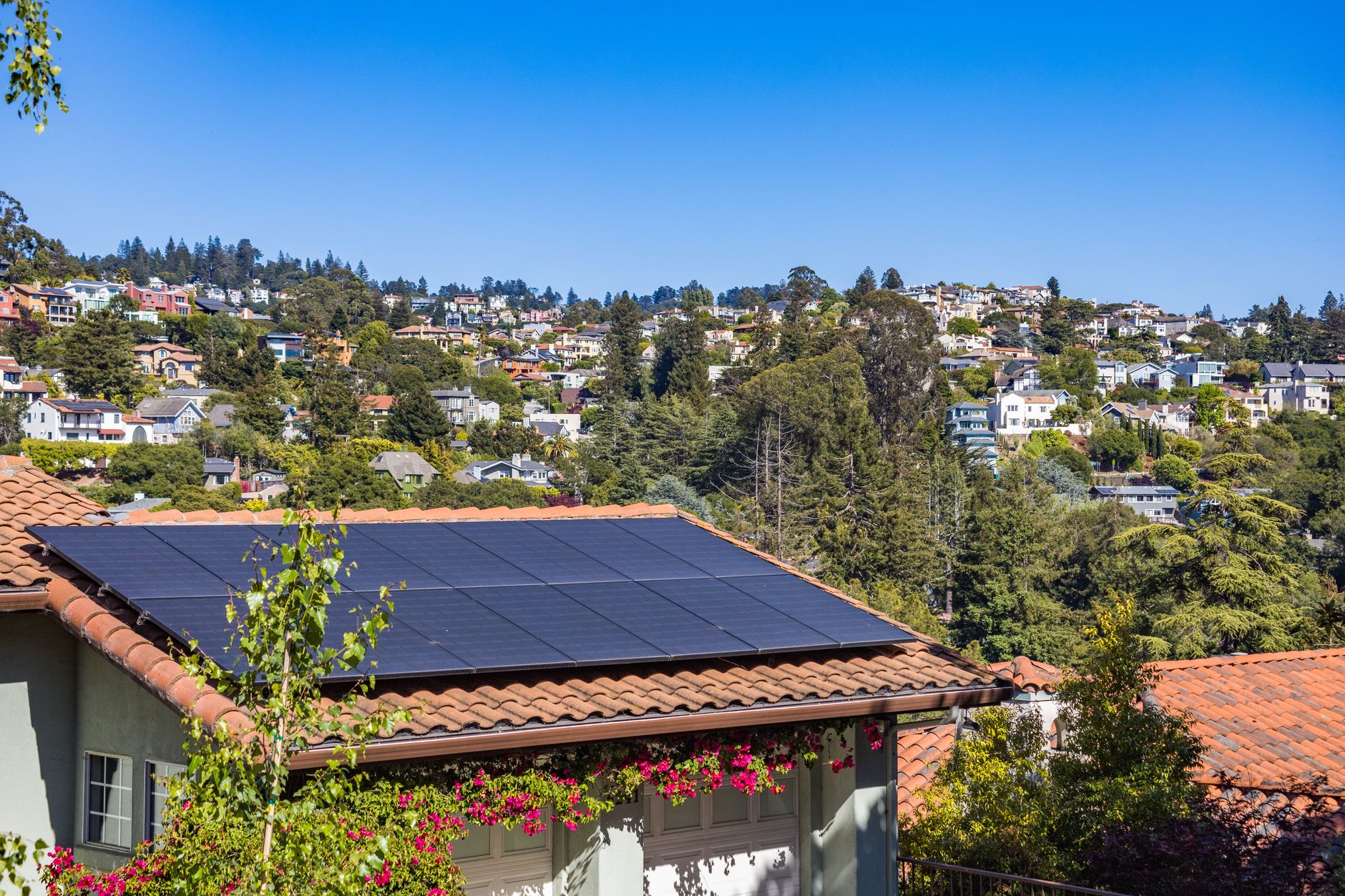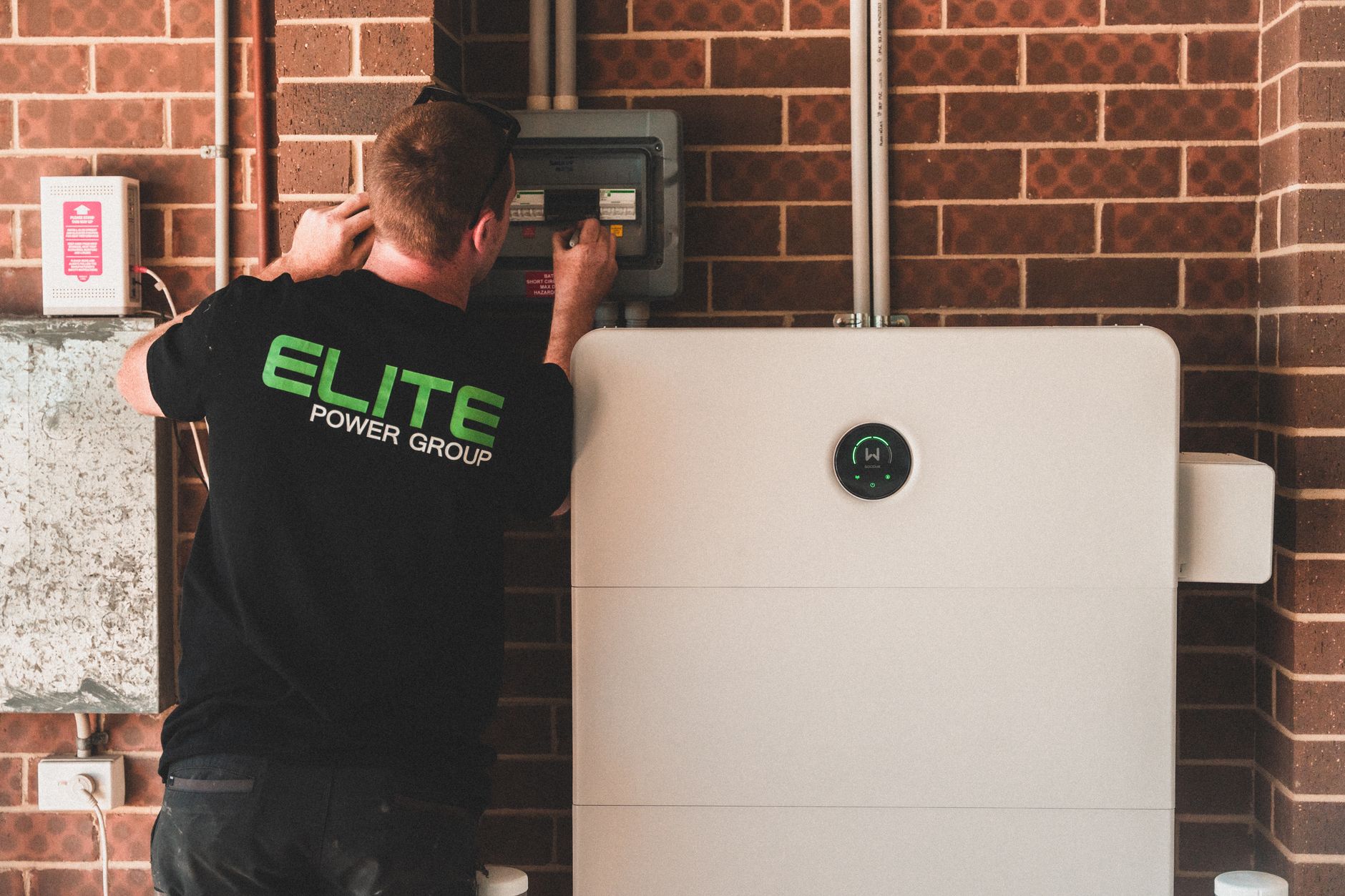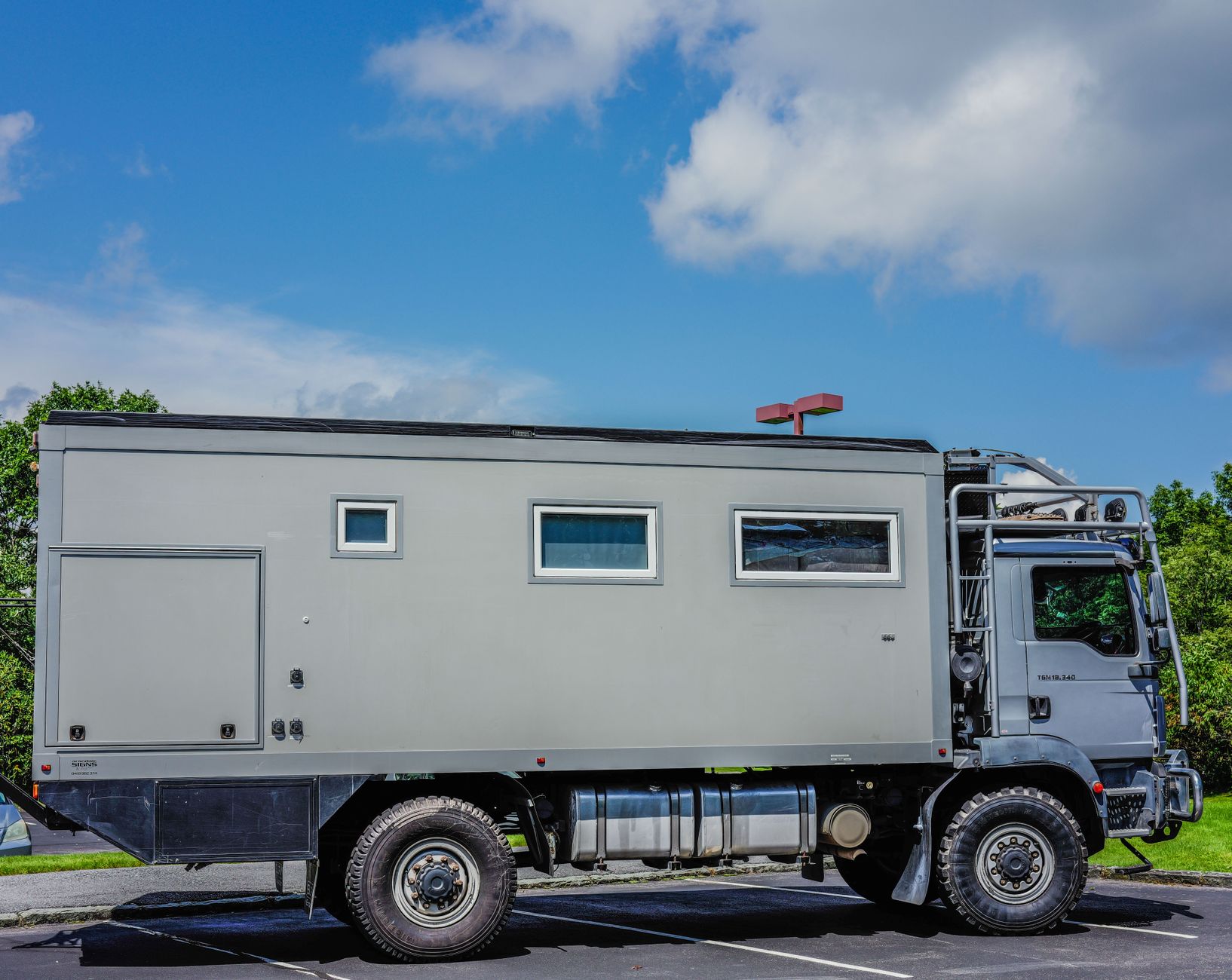
Going off-grid is not a weekend panel project. It means your home must produce, store, and manage every watt you use. In 2026 the equipment is better than ever, but the process still starts with understanding your loads. A well-planned off-grid system will survive cloudy weeks, winter nights, and utility outages with fewer generator hours. This guide walks through the exact sequence from first audit to final inspection. The order matters because every later choice depends on the number of kilowatt-hours you actually need each day.
Most people start by asking about panels. That is a mistake. The first question is how much energy you actually need. A home that can get by on 12 kWh per day costs far less to power than a home that needs 40 kWh. Our guide to how much does solar cost in 2026 shows why smaller systems compound savings. Before you quote a single panel, you will audit the refrigerator, water pump, lights, and heating loads. That baseline gives you a real budget.
Storage is the real foundation of an off-grid home. Solar panels stop producing at night, and winter production can fall by half. A well-sized battery bank with two to four days of reserve protects you from a multi-day snowstorm. You will also need a generator for the rare week when the sun never appears. A system designed only for sunny days will leave you in the dark. Start by comparing home battery options, then match them to your measured loads.
Safety and code are not optional. Off-grid systems involve high-voltage DC, line-voltage AC, and backup generators that can produce carbon monoxide. NREL publishes solar resource data that installers use to avoid poor design. ENERGY STAR lists efficient appliances that reduce your load before you buy a single panel. We will cover permits, inspections, and the transfer switch requirements later. The goal is not just independence. The goal is safe, durable independence. This step-by-step plan assumes you will work with a licensed electrician for all permanent wiring.
What You’ll Need
- plug-in watt meter
- solar resource map
- load calculation spreadsheet
- UL 1741 listed hybrid inverter
- UL listed transfer switch
- battery-operated CO detector
How Do You Go Off-Grid in 2026?
- Step 1: Audit your real loads and cut waste first
Before you buy a panel, write down every appliance and plug load in the house. Use a plug-in watt meter for small loads and nameplate data for larger ones. Multiply each load by the hours it runs per day. A typical U.S. home uses about 30 kWh per day, but most off-grid homes target 10 to 20 kWh after efficiency upgrades. This step sets the size of the solar array, battery bank, and inverter. Skip it and you will either overspend or come up short in winter.
Cut the biggest loads before you generate power. Heating, cooling, water heating, and dryers consume most of a home’s energy. Replacing an older heat pump or adding insulation can reduce your annual heating load by 20 to 40 percent. Our guide on how to reduce your electric bill walks through the highest-return upgrades. A standard electric dryer can use 3 to 5 kWh per load, while a heat pump dryer often uses 1 to 1.5 kWh. That single swap can save thousands in battery costs.
Use ENERGY STAR certified appliances because they meet verified efficiency thresholds. The ENERGY STAR directory covers refrigerators, heat pumps, water heaters, and induction cooktops. An off-grid home should avoid electric resistance space heaters and continuous dehumidifiers. These devices can pull 1,500 watts or more for long runs. If you need space heat, a ductless heat pump uses a fraction of that power for the same heat output.
Also separate critical loads from luxury loads. A refrigerator may need 1 to 2 kWh per day, a well pump 0.5 to 1 kWh per cycle, and LED lighting less than 0.5 kWh for a whole evening. Keep those. A second freezer or an electric vehicle charger may be enormous. You can still include them, but they will dominate the system size and cost. Knowing the critical list helps you build a smaller, cheaper emergency panel.
- Step 2: Measure your solar resource and pick the right panels
Solar output depends on your roof orientation, shade, and local peak sun hours. Most of the U.S. receives 3.5 to 5.5 peak sun hours per day on an annual average. NREL’s solar resource data offers maps and calculators for your specific location. That data helps you estimate winter production, which is the limiting design month. Do not use annual average alone. Use the lowest production month for off-grid sizing.
A 10 kW array might produce 40 to 55 kWh per day in summer but only 20 to 30 kWh in a cloudy winter. Off-grid systems must be sized for the worst month, not the yearly average. The catch is that oversizing for winter means you will overproduce in summer. That is normal. Some owners use excess summer production for water pumping, EV charging, or a small workshop. Others simply accept the waste as the price of winter security.
Panel choice matters more for space and durability than for magic efficiency numbers. You want panels with a strong temperature coefficient and a 25-year production warranty. Rigid monocrystalline panels are usually the best value for roof or ground mounts. Flexible panels wear out faster and should be limited to small portable systems. If you have limited roof space, higher-efficiency panels let you fit more wattage in the same area.
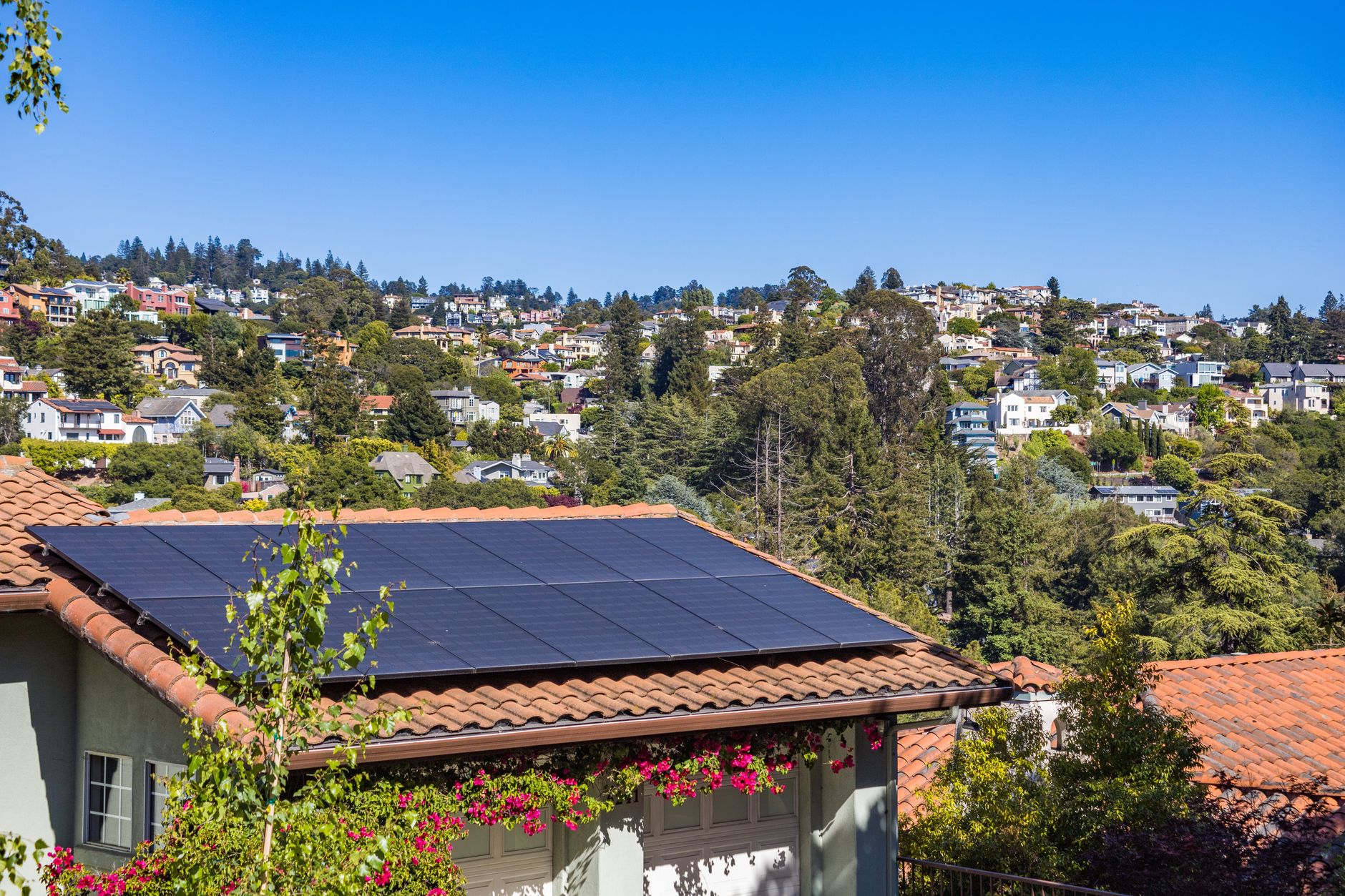
Panel tilt and orientation also affect winter performance. If you live in snow country, consider a ground mount that you can tilt steeply. A 60-degree winter tilt sheds snow and captures low-angle sun better than a shallow roof. This is one of the most underrated off-grid design choices. A ground mount also lets you clean panels without climbing a roof. If you use a roof, make sure the mounting does not create leaks.
- Step 3: Right-size the battery bank for multi-day autonomy
Batteries are the most expensive part of an off-grid system. A common rule is to store at least two to four days of average daily load. If your home uses 15 kWh per day, build a 30 to 60 kWh usable battery bank. This gives you a buffer through cloudy stretches without running a generator every evening. Many first-time off-grid owners buy too little battery and then burn fuel constantly.
Lithium iron phosphate is now the standard for home off-grid. It is safer, lasts longer, and tolerates more cycles than lead-acid. For modular or portable builds, a unit like the EcoFlow Delta Pro offers 3.6 kWh of LFP storage and can be chained with extra batteries. Check the EcoFlow Delta Pro on Amazon. For a permanent wall-mounted bank, compare options in the best whole-home batteries of 2026.
Do not confuse nameplate capacity with usable capacity. A 5 kWh battery may only allow 4 to 4.5 kWh of usable energy to protect the cells. Stacking many small batteries also creates balance issues. A professional installer can size a bank that matches your inverter and charge controller. Audit your loads first, then convert them to usable kilowatt-hours before you buy. A cheap battery that dies in three years is not a bargain.
Temperature also affects capacity. LFP batteries lose capacity below freezing. Many batteries include self-heating pads or require an insulated enclosure. Choose a heated battery or build a small insulated space. The battery bank should stay between 32°F and 100°F for best performance. That is easier in a garage or utility room than in an unheated shed. Plan the location before you buy racks and cables.
- Step 4: Choose the right inverter architecture
The inverter converts DC power from panels and batteries into AC power for your home. For off-grid, you need a hybrid inverter, not a simple grid-tied string inverter. A hybrid unit can charge batteries from solar, draw from batteries at night, and pass through generator or grid power when needed. Our explainer on what is a hybrid inverter breaks down the functions. This is the brain of the system.
There are two main architectures. An AC-coupled system uses a dedicated battery inverter and a separate solar inverter. A DC-coupled system connects panels directly to a charge controller and battery bank, then inverts once. DC coupling is often slightly more efficient for daily charge and discharge cycles. AC coupling is easier to retrofit onto an existing solar system. Your installer can model both for your exact loads.
Sizing the inverter is about peak load, not average load. A home with a well pump and a microwave may peak at 8 to 10 kW for a few seconds. Inverters have surge ratings, often double their continuous rating. Match the continuous rating to your largest combined critical loads. If you plan to run a 3-ton heat pump, you may need a 8 to 10 kW continuous inverter. Do not expect a 3 kW unit to start a deep well pump.
Make sure the inverter is listed to UL 1741 and IEEE 1547. These standards cover anti-islanding and voltage ride-through. If you ever connect to the grid, the utility will require them. Even if you never connect, these listings are a good minimum safety baseline. Avoid unbranded inverters that cannot supply clean 60 Hz power for motor loads. Dirty power shortens the life of refrigerators, pumps, and electronics.
- Step 5: Decide if you want full off-grid or a hybrid grid-tied system
Full off-grid means you cut the utility wire. Hybrid grid-tied means you stay connected but use solar and batteries to minimize or eliminate imports. Many homeowners choose hybrid because it costs less and still provides backup power. A true off-grid system needs more solar and battery capacity because there is no grid reserve. The utility connection is a silent partner in a hybrid home.
The cost difference is significant. A full off-grid 10 kW solar system with 40 kWh of battery storage might cost $70,000. A similar hybrid system with 20 kWh of storage could be $40,000 before incentives. The grid acts like a huge backup battery. If you rarely need to go days without sun, hybrid may be the better financial move.
Grid-tied systems may also earn net metering credits. The rules vary by state. In many places, excess summer production can offset winter bills. If net metering is poor, a larger battery makes more sense. Check your utility’s policy before you decide. Some utilities now offer time-of-use rates that reward batteries even if you never go fully off-grid.
If you want full off-grid, you are your own utility. That means you need a generator for multi-day low solar periods. We cover that next. You also need to monitor state of charge carefully. A generator can be part of a hybrid system too, but in full off-grid it becomes essential. The rest of this guide assumes you are building for true independence.
- Step 6: Add a backup generator or second power source
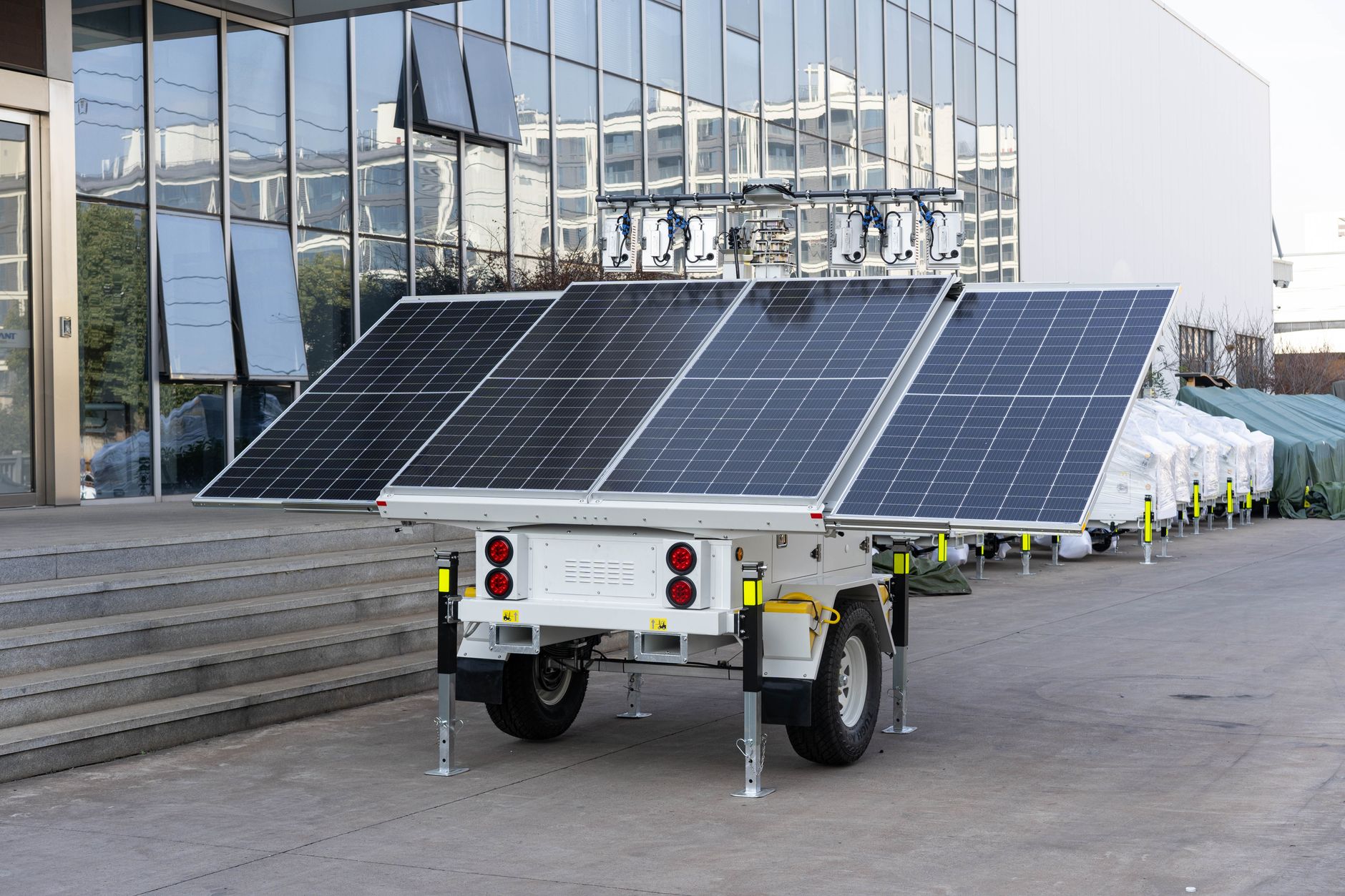
Even a large battery bank cannot cover every snowstorm in a dark winter. A backup generator sized at 5,000 to 7,500 continuous watts can recharge batteries and run critical loads. Inverter generators are preferred because they produce stable power and use less fuel. A 7,000-watt unit may burn about 0.4 to 0.6 gallons per hour at half load. That is far cheaper than replacing a battery bank every few years.
For whole-home backup, consider a standby generator with an automatic transfer switch. Compare options in the best home backup generators of 2026. Portable generators require manual setup and extension cords. A Honda EU7000is is a reliable 7,000-watt inverter generator that can run 8 to 16 hours on a 5.1-gallon tank depending on load. Check the honda eu7000is on Amazon.
Carbon monoxide is the biggest danger with any generator. Never run a generator inside a home, garage, or near windows. The Consumer Product Safety Commission has recorded hundreds of deaths from generator CO. Exposure to 150 ppm CO can cause disorientation and death in minutes. Install battery-operated CO detectors near sleeping areas and in the generator storage area. Place the generator at least 20 feet from any door or window.
A generator should be part of your off-grid design, not an afterthought. Use it to charge the battery bank at high efficiency instead of directly powering the home. A generator running at 50 to 75 percent load charges batteries faster and uses less fuel per kilowatt-hour than one idling at low load. Most hybrid inverters have a generator input or dry contact to auto-start the generator when batteries reach a low state of charge.
- Step 7: Pull permits, pass inspections, and claim incentives
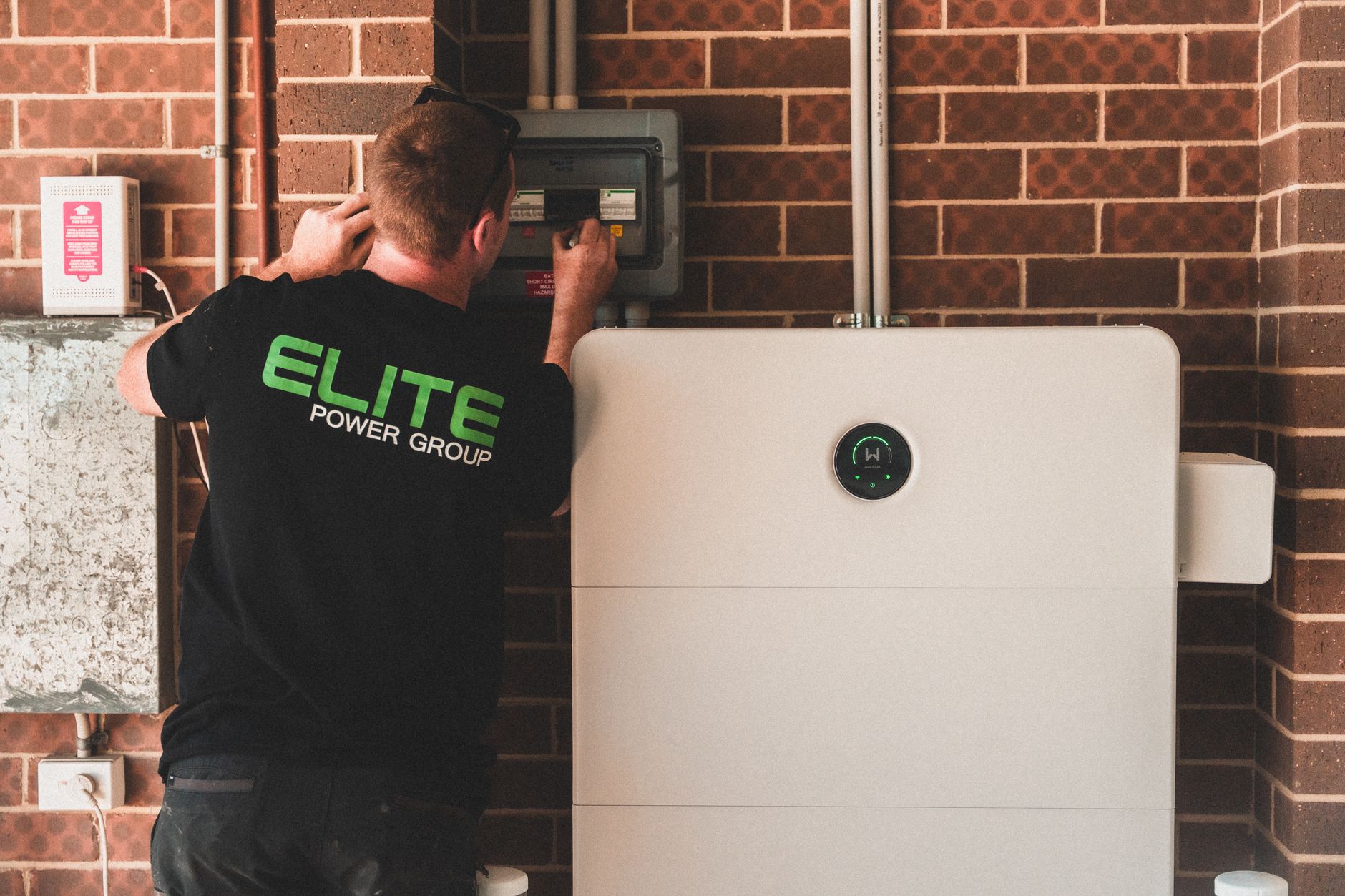
Off-grid solar still requires electrical, building, and sometimes fire permits. You are working with high-voltage DC, battery storage, and a transfer switch. The National Electrical Code has sections for energy storage systems. A licensed electrician will know the local amendments. A permit ensures your insurance remains valid. Off-grid does not mean off-code.
The federal solar tax credit applies to off-grid systems if they power a home and meet code. In 2026 the credit remains 30 percent through 2032. That applies to panels, batteries, inverters, wiring, and installation labor. Use our solar tax credit guide to see what qualifies. Keep receipts and the final inspection report for your tax records.
Most states also require a utility interconnection review even if you do not export. If you keep a grid connection for backup, you must file an interconnection agreement. This protects line workers and defines the disconnect procedure. Some rural areas also require a fire safety inspection for battery rooms. Ignoring these rules can delay your system start-up.
Do not skip this step to save time. Unpermitted systems can be flagged by home insurance or complicate a future sale. The inspection will check wire sizes, disconnects, grounding, and battery clearances. The inspector may also confirm that your generator transfer switch is listed and properly installed. A clean inspection creates a record that your system was installed safely.
- Step 8: Commission, test, and maintain the system
Commissioning is the final start-up sequence. Your installer should verify battery state of charge, inverter settings, generator auto-start, and transfer switch operation. Test the system by running critical loads on battery only for 24 hours. Then simulate a generator start when the battery falls below 30 percent. This catches wiring and setting errors before winter.
Monitor your energy daily for the first year. Many inverters include an app that shows solar production, battery state of charge, and generator run hours. If the generator runs more than expected, you may have undersized the solar array or the battery bank. Adjust your loads or add capacity before the next season. A log of state of charge each morning is a simple habit.
Maintenance is less than grid systems but not zero. Clean panels a few times per year, check wiring lugs for corrosion, and top off generator fuel stabilizer. LFP batteries require almost no maintenance. Lead-acid banks need water and specific gravity checks. Follow the manufacturer’s schedule for inverter firmware updates. A small yearly inspection prevents most failures.
Finally, rehearse the off-grid switchover with your family. Everyone should know how to read the battery indicator, start the generator safely, and call the electrician if the inverter alarms. Keep a laminated load-shedding list near the panel. That list tells you which circuits to turn off first if the battery drops too fast. Good habits keep a well-built system running for 20 years or more.
Red Flags & Warnings
- 🚨 Never run a portable generator inside a home, garage, or near an open window. Carbon monoxide levels above 150 ppm can kill in minutes. Install battery-operated CO detectors with battery backup in sleeping areas.
- 🚨 Do not backfeed a breaker panel without a listed interlock or transfer switch. Backfeeding can energize utility lines and kill line workers. Hire a licensed electrician for the panel connection.
- 🚨 Do not undersize the battery bank or inverter. A system that drops below 20 percent state of charge daily will destroy lithium batteries early. Use a full load calculation, not a builder’s guess.
- 🚨 Do not skip permits. Unpermitted off-grid solar and battery work can void homeowner insurance, trigger fines, and block future home sales.
- 🚨 Avoid cheap unbranded inverters that do not meet UL 1741 and IEEE 1547. Dirty power can damage motors, refrigerators, and sensitive electronics.
- 🚨 Do not install lead-acid batteries in living spaces without ventilation. Off-gassing hydrogen is explosive. Use sealed lithium iron phosphate or follow AGM clearance rules.
Frequently Asked Questions
How much does it cost to go off-grid in 2026?
A whole-home off-grid system with 10 kW of solar and 30 to 40 kWh of storage usually costs $45,000 to $75,000 before incentives. The federal solar tax credit of 30 percent can reduce that by over $13,000. Smaller cabins may go off-grid for $15,000 to $25,000 with a portable power station and a small array.
Can I go off-grid with just solar panels and no batteries?
No. Solar panels only produce power while the sun is shining. Without a battery bank or another source like a generator, you will have no power at night or during cloudy weather. A grid-tied solar system without batteries still works but does not provide off-grid backup.
What size battery bank do I need for a 2,000 square foot home?
A 2,000 square foot home that uses 25 kWh per day should have 50 to 100 kWh of usable storage for two to four days of autonomy. Most homes can reduce this to 20 to 40 kWh with a generator. The exact size depends on your critical loads, climate, and how often you accept generator run time.
Do I need a backup generator if I have a large battery bank?
In most off-grid climates yes. A generator covers long winter storms and protects the battery from complete discharge. Even a 5,000-watt generator can recharge a battery bank quickly and add days of runtime.
Are off-grid solar systems eligible for the federal tax credit?
Yes, the federal investment tax credit applies to off-grid solar panels, batteries, inverters, and installation labor. The system must serve a home in the U.S. and meet all local code and inspection requirements. The credit is 30 percent through 2032.
Can I install an off-grid system myself?
You can install small portable power stations and plug-in solar panels without an electrician. However, permanent wiring, battery banks, inverters, and transfer switches require a licensed electrician and permits. DIY electrical work on a main panel is dangerous and often illegal.
What Should You Remember?
- Audit before buying: Cut loads to 10 to 20 kWh per day to slash system cost.
- Size for winter: Use the lowest solar month and 2 to 4 days of battery autonomy.
- Use a hybrid inverter: It manages solar, battery, generator, and optional grid in one unit.
- Add a generator: A 5,000 to 7,500 watt unit covers multi-day storms and recharges batteries.
- Pull permits: Code compliance protects insurance, resale, and line workers.
- Hire a licensed electrician: Main panel, transfer switch, and battery connections are not DIY jobs.
- Monitor daily: Check state of charge and generator hours to catch undersizing early.
This article is for general information only. Home energy systems involve high-voltage electrical work, building codes, permits, and in some cases utility interconnection approvals , always consult a licensed electrician and your local authority before making purchase or installation decisions. Product specs, pricing, and incentives (including tax credits and net metering) change frequently; verify current details with the manufacturer and your utility.